
Prepare to be inspired! 2024 promises a vibrant evolution in wall art, transcending traditional notions and embracing diverse styles, materials, and technologies. From the resurgence of maximalism to the enduring appeal of minimalism, this year’s trends reflect a fascinating interplay between established aesthetics and innovative techniques. We’ll explore the key styles, color palettes, and placement strategies shaping the future of home decor, offering insights into sustainable choices and the role of technology in this dynamic field.
This exploration delves into the heart of current wall art trends, examining the materials driving innovation, the psychological impact of color choices, and the strategic placement techniques that elevate any space. We’ll also consider the ethical and sustainable aspects of wall art production, ensuring our choices reflect both aesthetic and environmental consciousness.
Popular Styles and Aesthetics
Wall art trends for 2024 reflect a dynamic interplay between established aesthetics and emerging design sensibilities. The year promises a diverse range of styles, catering to various tastes and interior design preferences. Expect to see a continuation of existing trends, alongside the emergence of fresh, innovative approaches to adorning walls.
Current design trends like maximalism, minimalism, and mid-century modern significantly influence wall art choices. Maximalism’s embrace of abundance finds expression in layered compositions and richly textured pieces, while minimalism’s focus on simplicity translates into clean lines and monochromatic palettes. Mid-century modern’s retro charm inspires the use of geometric patterns and earthy tones. This interplay creates a fascinating landscape of options for homeowners and interior designers alike.
Top Five Wall Art Styles for 2024
The following styles are predicted to dominate wall art trends in 2024, offering a blend of classic appeal and contemporary innovation.
- Abstract Expressionism: Characterized by bold brushstrokes, vibrant colors, and non-representational forms. Imagine a large canvas featuring swirling hues of deep blues, fiery oranges, and calming greens, evoking a sense of movement and emotion. Think Jackson Pollock-inspired pieces, but with a modern twist, perhaps incorporating metallic accents or textured surfaces.
- Botanical Illustrations: Detailed and realistic depictions of flora, often rendered in muted tones or watercolor washes. Visualize a series of framed botanical prints showcasing delicate wildflowers or lush tropical foliage, bringing a touch of nature indoors. The style can range from scientifically precise to artistically stylized, offering flexibility in terms of overall aesthetic.
- Geometric Patterns: Bold and graphic designs featuring repeating shapes and lines. Picture a striking wall hanging composed of interlocking triangles or a series of square canvases each showcasing a different vibrant color block. This style lends itself well to minimalist and mid-century modern interiors, providing a strong visual anchor.
- Textured Surfaces: Wall art that emphasizes tactile elements, such as raised designs, woven fabrics, or three-dimensional sculptures. Envision a large-scale piece incorporating layered fabrics, creating a textural landscape on the wall, or a series of smaller sculptural pieces that play with light and shadow. This adds depth and visual interest beyond a flat image.
- Personalized Portraits: Custom-made artwork featuring stylized or realistic depictions of individuals or pets. Imagine a bold, graphic portrait of a family member or a whimsical rendering of a beloved pet, reflecting a personal touch and unique memories. These pieces can range from minimalist line drawings to highly detailed, photorealistic representations.
Comparison of Wall Art Styles
The following table summarizes the key characteristics of the five predicted styles, highlighting their differences in terms of description, color palette, and materials.
| Style | Description | Color Palette | Materials |
|---|---|---|---|
| Abstract Expressionism | Bold brushstrokes, non-representational forms | Vibrant and varied, often high contrast | Canvas, acrylic paint, possibly mixed media |
| Botanical Illustrations | Detailed depictions of plants, often realistic | Muted tones, watercolors, earth tones | Paper prints, framed artwork, watercolor paintings |
| Geometric Patterns | Bold shapes and lines, repeating designs | Can be varied, but often uses high-contrast or monochromatic schemes | Canvas, wood, metal, wallpaper |
| Textured Surfaces | Emphasis on tactile elements, 3D effects | Highly variable, depending on materials | Fabric, wood, metal, mixed media, plaster |
| Personalized Portraits | Stylized or realistic depictions of people or pets | Highly variable, reflecting the subject and artistic style | Canvas, paper, digital prints, mixed media |
Materials and Production Techniques
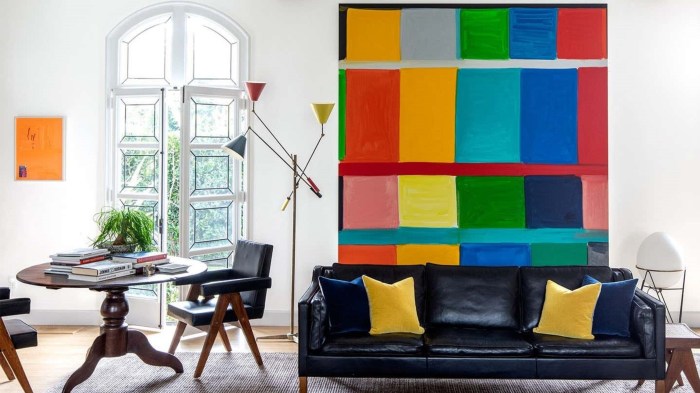
The materials and production techniques employed in creating wall art significantly impact both the aesthetic appeal and the lifespan of the finished piece. 2024 sees a continuation of established favorites alongside the emergence of innovative methods, reflecting a growing awareness of sustainability and technological advancements in the art world. The choice of material often dictates the style and overall feel of the artwork, influencing everything from texture and color to its potential for longevity and resistance to environmental factors.The selection of materials is driven by both artistic vision and practical considerations.
Different materials offer unique properties, affecting the final artwork’s visual impact and durability. Innovative production techniques are also transforming the possibilities for artists, allowing for greater creative expression and more efficient production methods.
Prevalent Materials in Wall Art Creation
Canvas remains a dominant material, offering a versatile surface suitable for a wide range of painting techniques, from traditional oil and acrylics to modern mixed media approaches. Its texture and absorbency contribute to the richness and depth of many artworks. Wood, particularly reclaimed or sustainably sourced wood, is gaining popularity, adding a rustic or modern aesthetic depending on the finish.
Metal, especially in the form of sheet metal or sculpted forms, provides a sleek, contemporary feel, often used in minimalist or abstract pieces. Textiles, including tapestries, printed fabrics, and embroidered pieces, offer a softer, more tactile experience, introducing texture and pattern in unique ways.
Innovative Production Techniques
D printing is revolutionizing wall art creation, allowing for the production of intricate, complex designs that would be impossible to achieve through traditional methods. Artists can create sculptural pieces with unprecedented detail and precision. Digital printing offers high-quality reproduction of images and designs onto a variety of surfaces, making it accessible and cost-effective for both artists and consumers. This technique enables mass production while still allowing for customization and personalization.
Hand-dyeing techniques, a traditional craft, are experiencing a resurgence, offering unique, handcrafted textures and colors, valued for their artisanal quality and individuality. This method allows for a unique, one-of-a-kind aesthetic not easily replicated.
Material Influence on Aesthetics and Longevity
The choice of material directly influences the overall aesthetic and longevity of a piece. A canvas painting, for instance, might offer a vibrant, textured surface but requires careful handling and protection from moisture to ensure its longevity. A metal sculpture, on the other hand, offers durability and resistance to the elements but might have a cooler, more industrial aesthetic.
Wood, with its natural grain and variations in color, can create a warm, inviting feel but may be susceptible to damage from moisture or temperature fluctuations. Textile art, with its soft textures and potential for intricate designs, offers a unique tactile experience but might require more delicate handling than other materials. Understanding these inherent characteristics is crucial for both artists and collectors in selecting and preserving their artwork.
Color Trends and Palettes
Color palettes play a pivotal role in setting the mood and aesthetic of a space, significantly impacting how we perceive and interact with our environment. Understanding the dominant color trends for 2024 wall art allows artists and designers to create pieces that resonate with current tastes and effectively enhance interior design schemes. This section will explore the predicted color palettes, their psychological effects, and examples of palettes suitable for diverse interior styles.Color psychology suggests that different colors evoke specific emotional responses.
Warm colors like reds and oranges tend to stimulate energy and excitement, while cool colors such as blues and greens often promote calmness and serenity. The careful selection of color palettes can, therefore, dramatically alter the atmosphere of a room, creating a feeling of warmth and intimacy or a sense of spaciousness and tranquility. The interplay of light and shadow also interacts with color, further influencing the overall mood.
Dominant Color Palettes for 2024 Wall Art
Predictions for 2024 suggest a move towards palettes that reflect both a desire for comfort and a yearning for expression. Earthy tones continue to hold strong, but are being complemented by bolder, more vibrant accents. Muted jewel tones, sophisticated neutrals, and unexpected pairings of contrasting colors are all expected to be prominent. For example, the combination of deep teal with burnt orange offers a luxurious yet grounding feel, while a palette of soft lavender, creamy beige, and charcoal gray provides a sense of refined elegance.
The use of unexpected pairings such as olive green and dusty rose can create a uniquely modern and artistic effect.
Psychological Impact of Color Choices
The psychological impact of color on the overall atmosphere of a space is undeniable. Warm colors, such as reds and yellows, are energizing and stimulating, ideal for spaces where activity and interaction are encouraged, such as kitchens or dining areas. However, overuse can lead to feelings of restlessness. Cool colors, like blues and greens, have a calming effect, promoting relaxation and tranquility, making them suitable for bedrooms or bathrooms.
Neutrals, such as beiges and grays, provide a versatile backdrop, allowing other elements of the design to take center stage. They offer a sense of calm and sophistication, perfect for creating a minimalist or modern aesthetic. The use of black can add drama and sophistication but should be used sparingly to avoid a feeling of claustrophobia.
Examples of Color Palettes for Various Interior Styles
The following are three distinct color palettes designed for different interior design styles, each with its own mood and intended use.
- Palette 1: Rustic Modern
-This palette combines warm earthy tones with touches of deep teal and warm gray. The dominant colors are terracotta, warm beige, and deep teal, accented with muted golds and warm grays. This palette evokes a sense of comfort, warmth, and understated luxury, ideal for living rooms or dining areas in a rustic modern style. The earthy tones create a grounding feeling, while the teal adds a touch of sophistication.The muted gold accents add a hint of glamour. Imagine a landscape painting featuring a terracotta-colored hillside, a deep teal river winding through it, and a touch of gold sunlight.
- Palette 2: Serene Minimalism
-This palette centers around soft, muted tones of light gray, pale blue, and creamy white. Accents of soft blush pink or a very subtle sage green can be incorporated. This palette fosters a sense of calm and tranquility, perfect for bedrooms or meditation spaces. The light and airy feel creates a sense of spaciousness, while the muted colors promote relaxation.Think of a minimalist painting featuring subtle variations of light gray and pale blue, with a hint of blush pink adding a touch of warmth.
- Palette 3: Bold Eclectic
-This palette is characterized by a vibrant mix of deep jewel tones such as emerald green, sapphire blue, and ruby red, balanced by a neutral base of charcoal gray or off-white. The contrast creates a dramatic and exciting atmosphere, suitable for spaces that demand attention, such as a home office or a dramatic entryway. This palette evokes a sense of energy and creativity, making it perfect for spaces where self-expression is valued.Imagine a vibrant abstract painting featuring deep jewel tones set against a charcoal gray background.
Wall Art Placement and Arrangement
Strategic placement of wall art is crucial for maximizing its visual impact and enhancing the overall aesthetic of a room. Proper arrangement can transform a simple piece into a stunning focal point, or a collection of artworks into a cohesive and engaging gallery wall. Consider factors like the size and scale of the art, the room’s dimensions, and the existing décor when making placement decisions.Effective wall art placement considers both the individual piece and the overall room design.
A large, bold piece might dominate a smaller room, whereas a series of smaller pieces can create a more balanced look in a larger space. Consider the existing furniture arrangement and architectural features; art should complement, not compete with, these elements. Placement at eye level generally ensures optimal viewing, although this can be creatively adjusted for stylistic effect.
Gallery Wall Creation: A Step-by-Step Guide
Creating a gallery wall involves careful planning and execution. The following steps Artikel a straightforward process for achieving a visually appealing and balanced arrangement.
- Planning and Measurement: Begin by measuring the wall space you intend to use. Sketch out your desired arrangement, considering the size and shape of each artwork. Experiment with different layouts until you find one that suits your taste and the available space. Consider using tracing paper to easily shift pieces around before committing to the wall.
- Artwork Selection: Choose artwork that complements each other in terms of style, color palette, and subject matter. A cohesive theme can create a unified look, while a mix of styles can add visual interest. Aim for a balance of sizes and shapes to avoid a monotonous arrangement.
- Arrangement and Layout: Arrange the artwork on the floor before hanging. This allows for easy adjustments and ensures you are satisfied with the final composition. Consider using painter’s tape to Artikel the frames on the wall, creating a visual representation of the final gallery wall. Step back frequently to assess the arrangement from different angles.
- Hanging the Artwork: Use appropriate hanging hardware for each piece, ensuring that the weight of the artwork is adequately supported. Use a level to ensure each piece is straight and evenly spaced. Consider using a template or grid system for precise placement, especially with multiple pieces.
- Final Adjustments: Once all the artwork is hung, step back and assess the overall composition. Make any necessary adjustments to spacing or arrangement until you achieve a visually pleasing result. This may involve subtle shifts in the position of individual pieces.
Wall Art Arrangement Techniques
Various techniques can be used to arrange wall art effectively. The choice of technique depends on the style of the artwork, the overall aesthetic of the room, and personal preference.
- Symmetrical Arrangement: This creates a formal and balanced look. Two identical or similar pieces are placed equidistant from a central point, creating a sense of order and harmony. Example: Two matching landscape paintings flanking a mirror above a fireplace.
- Asymmetrical Arrangement: This provides a more dynamic and informal feel. Pieces of varying sizes and styles are arranged to create visual interest without strict symmetry. Example: A mix of photographs, prints, and paintings arranged in a visually pleasing, yet uneven, pattern.
- Grid Arrangement: This technique uses a grid system to create a structured and organized display, often ideal for a large collection of smaller pieces. Example: A series of square prints arranged in a neat grid pattern.
- Cluster Arrangement: This involves grouping artwork together in a visually cohesive cluster, creating a focal point within the room. Example: A collection of framed family photos clustered together on a wall above a sofa.
- Layered Arrangement: This creates depth and visual interest by layering artwork at different heights and depths. Example: A large painting hung behind a smaller shelf with smaller decorative objects.
Sustainability and Ethical Considerations
The increasing awareness of environmental and social responsibility is profoundly impacting the art world, and wall art is no exception. Consumers are increasingly demanding transparency and ethical practices from the brands and artists they support, driving a shift towards sustainable and ethically sourced materials in wall art production. This trend reflects a broader societal commitment to minimizing environmental impact and promoting fair labor practices across all industries.The growing demand for sustainable wall art presents both challenges and opportunities for artists and businesses.
Challenges include sourcing eco-friendly materials at competitive prices and educating consumers about the benefits of sustainable choices. However, opportunities abound for innovative design and production methods that minimize waste, utilize recycled materials, and support local communities. This move towards sustainability is not just a trend; it’s a reflection of evolving consumer values and a necessary step towards a more responsible and environmentally conscious future for the art market.
Eco-Friendly Materials in Wall Art Production
The shift towards sustainable wall art is largely driven by the availability and increasing popularity of eco-friendly materials. Recycled materials, such as reclaimed wood, repurposed fabrics, and recycled paper, are becoming increasingly common. Sustainable forestry practices are also gaining traction, ensuring that wood used in wall art comes from responsibly managed forests. Other eco-friendly options include bamboo, cork, and organic cotton canvases.
The use of non-toxic paints and inks is also crucial, minimizing the release of harmful chemicals into the environment. Many artists are actively exploring and innovating with plant-based dyes and water-based paints, furthering the movement towards sustainable practices.
Artists and Brands Committed to Eco-Friendly Practices
Several artists and brands are leading the charge in sustainable wall art production. For example, imagine an artist who utilizes reclaimed wood from old barns, carefully restoring and repurposing it into unique wall sculptures. Each piece tells a story of its past life, while promoting sustainable practices. Another example could be a brand specializing in hand-printed wall art using organic inks on recycled paper, packaged in minimal, recyclable materials.
These examples demonstrate a commitment to both environmental responsibility and artistic expression. Many smaller, independent artists are also actively incorporating sustainable practices, often highlighting their commitment through transparent sourcing information on their websites or at art fairs. This allows consumers to easily identify and support artists who share their values.
Making Informed Choices: Supporting Sustainable Wall Art
Consumers can actively contribute to the growth of sustainable wall art by making informed choices. Firstly, researching artists and brands is crucial. Look for information about their sourcing practices, materials used, and production methods. Many artists and brands openly communicate their commitment to sustainability on their websites or social media platforms. Secondly, prioritizing locally sourced or handcrafted wall art minimizes transportation emissions and supports local economies.
Thirdly, choosing durable and long-lasting pieces reduces the need for frequent replacements, minimizing waste in the long term. Finally, opting for wall art made from recycled or reclaimed materials directly supports the circular economy and reduces reliance on virgin resources. By making conscious purchasing decisions, consumers can significantly impact the demand for sustainable wall art and encourage further innovation in the field.
The Role of Technology in Wall Art
Technology is rapidly transforming the landscape of wall art, impacting its creation, dissemination, and appreciation. From digital tools aiding artists to online marketplaces connecting them with buyers, the influence of technology is undeniable and continues to evolve at an impressive pace. This influence extends beyond simple convenience, shaping aesthetic trends and even the way we experience art itself.Technology’s influence on wall art creation is multifaceted.
Digital painting and illustration software allows for unprecedented levels of control and experimentation, enabling artists to explore new styles and techniques previously unimaginable. 3D modeling and printing technologies offer opportunities for creating unique, sculptural wall pieces, pushing the boundaries of traditional mediums. Furthermore, AI tools are increasingly being used to assist in design, offering new possibilities for generating unique patterns and textures.
The distribution of wall art is also significantly impacted by technology. Online marketplaces like Etsy and Saatchi Art provide artists with global reach, eliminating geographical limitations and expanding their potential audience considerably. Social media platforms like Instagram and Pinterest serve as powerful marketing tools, allowing artists to showcase their work and engage directly with potential buyers. High-resolution digital images enable the easy reproduction and distribution of artworks, making them accessible to a wider range of consumers.
Augmented and Virtual Reality in Wall Art Experience
Augmented reality (AR) and virtual reality (VR) technologies offer innovative ways to engage with wall art. AR apps can overlay digital information onto physical artworks, providing viewers with additional context, such as artist biographies, creation stories, or historical information. Imagine an app that allows you to point your phone at a painting and instantly access a wealth of related information, enriching the viewing experience.
VR, on the other hand, allows for immersive experiences, potentially placing viewers within a virtual gallery or allowing them to explore artworks in three dimensions, offering a level of engagement beyond what is possible with a physical piece. For example, a VR experience could allow someone to “walk around” a digital sculpture, examining its details from every angle. This technology opens up new avenues for experiencing art, particularly for those with limited access to physical galleries or for creating unique and engaging art installations.
Traditional vs. Online Art Purchasing
The traditional method of purchasing wall art involves visiting physical galleries or art fairs. This offers the tangible experience of viewing the artwork in person, assessing its texture, colors, and scale firsthand. However, this approach is limited geographically and often involves higher costs due to overhead and transportation. Online platforms and digital art marketplaces offer a vastly different experience. They provide accessibility to a wider range of artworks from various artists across the globe, often at more competitive prices.
Digital art marketplaces also offer the convenience of browsing and purchasing art from the comfort of one’s home, with features like high-resolution images, detailed descriptions, and secure payment options. The ease of comparison-shopping across different platforms further empowers buyers to make informed decisions. While the lack of physical interaction is a drawback for some, the convenience and global reach of online platforms are undeniable advantages for both artists and consumers.
Wall Art and Interior Design Styles
Wall art plays a crucial role in unifying the aesthetic of a room, enhancing its overall design, and creating a personalized atmosphere. The careful selection and placement of wall art can transform a space, complementing existing interior design elements and establishing a cohesive visual narrative. Understanding the interplay between wall art and different interior design styles is key to achieving a harmonious and stylish home.The strategic use of wall art allows for the creation of striking focal points, drawing the eye and establishing a visual hierarchy within a room.
A carefully chosen piece can anchor a seating area, define a dining space, or simply add personality to a hallway. The visual impact is multifaceted, ranging from subtle enhancements to bold statements, depending on the artwork’s size, style, and placement.
Wall Art Complementing Different Interior Design Styles
Bohemian interiors, characterized by their eclectic mix of textures, patterns, and global influences, benefit from similarly diverse wall art. Think vibrant tapestries, framed botanical prints, or a collection of smaller, mismatched pieces arranged in a gallery wall. The visual impact is one of layered richness and playful unconventionality. A large, intricately patterned textile hung above a sofa would create a strong focal point, while smaller pieces scattered across a wall would add depth and character.
In contrast, Scandinavian design, known for its minimalist aesthetic and emphasis on natural light, pairs well with simple, nature-inspired wall art. Subtle line drawings, muted landscapes, or abstract pieces in a neutral palette would complement the clean lines and functionality of the style. A large, unframed photograph of a serene landscape hung above a minimalist fireplace would create a calm and inviting focal point.
Industrial interiors, with their exposed brick, metal accents, and raw textures, are well-suited to bold, graphic wall art. Metal sculptures, black and white photography, or abstract pieces with strong geometric patterns would enhance the raw and edgy aesthetic. A large metal sculpture hung on a feature wall would create a dramatic and eye-catching focal point, reflecting the industrial theme of the space.
Creating Focal Points with Wall Art
A single, large-scale piece of art can instantly become a focal point, drawing the eye and anchoring a room. For instance, a vibrant abstract painting hung above a fireplace in a living room creates a dramatic focal point, immediately captivating the viewer’s attention. The visual impact is one of boldness and dynamism, setting the tone for the entire room.
Conversely, a gallery wall, composed of multiple smaller pieces, can also serve as a focal point, albeit a more subtle one. The visual impact here is one of curated complexity and layered interest, creating a visually engaging space. The careful arrangement and selection of the pieces in the gallery wall is crucial to its success as a focal point.
Finally, a sculptural piece, such as a three-dimensional artwork or a decorative mirror, can add both visual interest and functionality as a focal point. A large, ornate mirror hung above a console table reflects light, expands the space visually, and becomes a focal point of elegance and sophistication.
Matching Wall Art Styles to Interior Design Styles
| Interior Design Style | Wall Art Style | Visual Impact Example | Focal Point Example |
|---|---|---|---|
| Bohemian | Tapestries, botanical prints, eclectic collections | Rich layers, playful unconventionality | Large patterned textile above sofa |
| Scandinavian | Minimalist line drawings, muted landscapes, abstract neutrals | Clean, serene, and calming | Large unframed landscape photograph above fireplace |
| Industrial | Metal sculptures, black and white photography, geometric abstracts | Bold, edgy, and raw | Large metal sculpture on feature wall |
| Modern | Abstract art, geometric prints, minimalist photography | Clean lines, sophisticated simplicity | Large abstract canvas above a minimalist sofa |
In 2024, wall art transcends mere decoration; it becomes a powerful tool for self-expression and interior design. By understanding the prevailing trends and incorporating sustainable practices, you can curate a space that reflects your personal style while contributing to a more conscious and creative world. Whether you favor bold maximalism or serene minimalism, the possibilities are as limitless as your imagination.
Let your walls tell your story.
Key Questions Answered
What are the most affordable materials for creating wall art?
Affordable options include repurposed materials (like old maps or fabric scraps), digital prints on readily available canvas, or even carefully curated collections of pressed flowers or leaves.
How can I incorporate wall art into a small space without overwhelming it?
Opt for smaller-scale pieces, lighter color palettes, and consider a single, impactful piece rather than a gallery wall. Mirrors can also enhance the sense of space.
Where can I find ethically sourced wall art?
Seek out artists and brands that explicitly highlight their commitment to sustainable materials and fair labor practices. Look for certifications or transparent sourcing information on their websites or product descriptions.
How do I choose wall art that complements my existing furniture?
Consider the existing color palette, style, and materials of your furniture. Choose wall art with complementary colors or textures to create a cohesive and visually appealing space.


