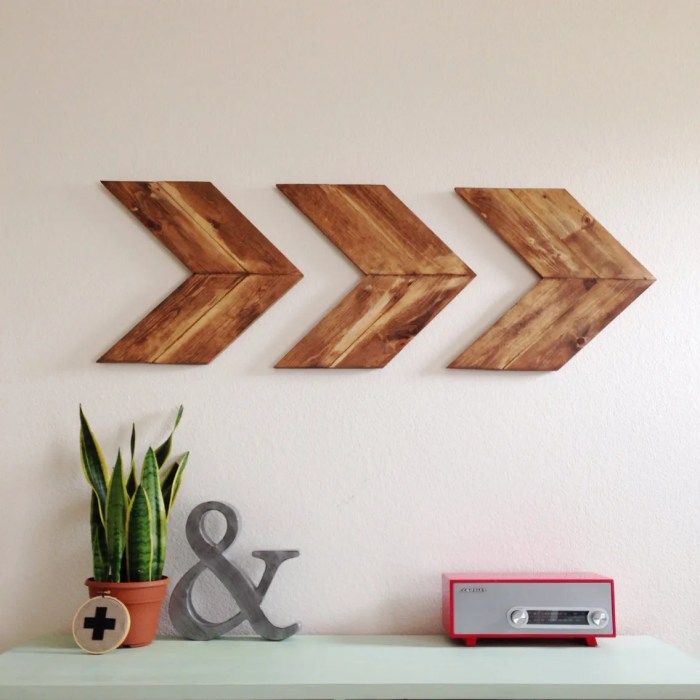
Transform your living spaces with the vibrant energy of handcrafted wall art! DIY wall art projects offer a fantastic avenue for self-expression, allowing you to personalize your home decor while saving money. From simple painted canvases to intricate mixed-media masterpieces, the possibilities are as boundless as your imagination. This guide explores diverse techniques, materials, and styles, empowering you to create stunning wall art that reflects your unique personality and aesthetic preferences.
We’ll journey through beginner-friendly projects, gradually progressing to more advanced techniques, providing step-by-step instructions and insightful tips along the way. Discover the joy of crafting unique pieces, learning to select the right materials, and mastering various artistic approaches. Whether you’re a seasoned artist or a complete novice, this comprehensive guide will inspire you to unlock your creative potential and breathe new life into your walls.
Introduction to DIY Wall Art
DIY wall art has exploded in popularity, transforming blank walls into personalized canvases reflecting individual style and creativity. This trend is driven by a desire for unique home decor, a growing interest in crafting, and the accessibility of materials and tutorials available online. People are increasingly seeking ways to express their individuality and create spaces that genuinely represent them, and DIY wall art offers a perfect avenue for this self-expression.The appeal extends beyond mere aesthetics; it’s about the process itself.
Creating something with your own hands provides a satisfying sense of accomplishment and allows for a level of customization unavailable with mass-produced artwork. The possibilities are endless, encompassing a wide range of styles and techniques, from minimalist geometric patterns to vibrant, textured collages.
Diverse Styles and Aesthetics in DIY Wall Art
DIY wall art encompasses a broad spectrum of styles, catering to diverse tastes and aesthetic preferences. For instance, minimalist designs might feature simple geometric shapes created using painter’s tape and muted paint colors, resulting in a clean, modern look. Conversely, a bohemian aesthetic could be achieved through macrame wall hangings, incorporating natural fibers and earthy tones. Abstract art allows for experimentation with color and texture, using techniques like pouring paint or creating layered stencils.
Other popular styles include rustic farmhouse decor, utilizing reclaimed wood and natural elements, or vibrant pop art pieces incorporating bold colors and graphic designs. The options are limited only by one’s imagination and available resources.
Benefits of Creating Your Own Wall Art
Creating your own wall art offers significant advantages compared to purchasing pre-made pieces. The most obvious benefit is cost savings. While the initial investment in materials might seem comparable, the potential for creating multiple pieces significantly reduces the overall cost per artwork. Furthermore, DIY art allows for complete personalization. You can tailor the size, colors, and style to perfectly complement your existing decor and reflect your personal preferences.
This results in a truly unique and meaningful addition to your living space, reflecting your personality and tastes far beyond what a store-bought piece could offer. Finally, the process itself is therapeutic and rewarding, providing a creative outlet and a sense of accomplishment.
Easy DIY Wall Art Projects for Beginners
Embarking on your DIY wall art journey doesn’t require extensive artistic skills or expensive materials. This section provides straightforward tutorials for three beginner-friendly projects, allowing you to transform your space with personalized and unique artwork. Each project emphasizes simplicity and ease of execution, making them ideal for first-time crafters.
Painted Canvas Wall Art
Creating a simple painted canvas wall art piece is a fantastic introduction to the world of DIY. This project allows for maximum creativity and personalization, depending on your preferred style and color palette. You can create abstract designs, simple geometric patterns, or even replicate a favorite photograph.
Materials: A blank canvas (size according to preference), acrylic paints (various colors), paintbrushes (various sizes), a palette or paper plate for mixing paints, water for cleaning brushes, and optionally, a sealant spray to protect the finished artwork.
Step-by-step instructions:
- Prepare your workspace: Cover your work surface with newspaper or a drop cloth to protect it from paint spills.
- Sketch your design (optional): If you have a specific design in mind, lightly sketch it onto the canvas using a pencil. This step is helpful for more intricate designs but not necessary for abstract pieces.
- Apply paint: Start with a base coat if desired. Then, apply your chosen colors, using different brush sizes to achieve varied effects. Allow each layer to dry completely before adding another.
- Add details: Once the base layers are dry, add any details or highlights to enhance your design.
- Seal (optional): Once the paint is completely dry, you can apply a sealant spray to protect your artwork from damage and fading. Allow the sealant to dry completely before hanging.
Macrame Wall Hanging
Macrame wall hangings add a touch of bohemian charm to any room. This project involves creating intricate knot patterns using cord or yarn. While it may seem daunting initially, mastering a few basic knots opens up a world of creative possibilities.
Materials: Macrame cord (cotton or other natural fiber), a wooden dowel or driftwood (for hanging), scissors, tape measure, and optionally, beads or other decorative elements.
Knotting Techniques: The most fundamental macrame knots are the square knot and the larks head knot. The square knot involves tying two half-knots in opposite directions, creating a square shape. The larks head knot secures the cord to the dowel or other hanging element. Numerous tutorials and videos are readily available online demonstrating these and other more advanced knotting techniques.
Creating the Wall Hanging: Start by securing the cords to the dowel using larks head knots. Then, use a combination of square knots and other knots to create your desired pattern. This could be a simple repeating pattern or a more complex design. Once the pattern is complete, trim the ends of the cords and optionally add beads or other decorative elements.
Gallery Wall
A gallery wall offers a dynamic and personalized way to display cherished photographs and artwork. Careful planning and arrangement are key to creating a cohesive and visually appealing display.
Materials: Various sized frames (mix and match styles for a more eclectic look), personal photos or artwork, wall hooks or nails, a tape measure, and a pencil.
Arrangement and Design Considerations: Before starting, lay out your frames and photos on the floor to experiment with different arrangements. Consider a symmetrical layout for a more formal look, or an asymmetrical layout for a more casual and artistic feel. Vary the frame sizes and orientations (horizontal or vertical) to create visual interest. Maintain a consistent theme or color palette to unify the display.
Ensure sufficient spacing between frames to prevent a cluttered appearance. Once you’re satisfied with the arrangement, lightly mark the frame positions on the wall with a pencil before hanging.
Intermediate DIY Wall Art Projects
Stepping up from beginner projects, intermediate DIY wall art allows for more complex techniques and the incorporation of diverse materials. This section explores two engaging projects: creating 3D wall art from recycled materials and crafting a mosaic wall piece. These projects demand a bit more planning and skill, but the results are truly rewarding.
Creating 3D Wall Art Using Recycled Materials
This project offers a fantastic opportunity to upcycle discarded items into unique and visually interesting wall art. The possibilities are virtually limitless, depending on the materials you collect and your creative vision. For example, you could use old bottle caps to create a geometric pattern, or repurpose cardboard boxes to form abstract shapes. The key is to carefully plan your design before you begin, considering the size, shape, and color of your chosen materials.
Once you have a design in mind, you’ll need to clean and prepare your recycled materials. This might involve painting, sanding, or otherwise treating them to achieve your desired aesthetic. Next, assemble your chosen materials using strong adhesive, such as hot glue or epoxy. Consider using a backing board for stability, especially for larger or more complex pieces.
Finally, add any finishing touches, such as paint, varnish, or sealant, to protect your artwork and enhance its visual appeal. A completed piece might be a stunning, textured landscape crafted from old tin cans, meticulously painted and arranged to create depth and perspective.
Creating a Mosaic Wall Art Piece
Creating a mosaic is a rewarding process that combines artistic expression with meticulous craftsmanship. Begin by selecting your materials. Common options include broken ceramic tiles, glass pieces, pebbles, or even small mirrors. The color palette and texture of your chosen materials will significantly impact the final aesthetic. Next, plan your design.
Sketching your design on paper first is highly recommended. Consider the size and shape of your mosaic, as well as the arrangement of the individual pieces. Transferring your design onto a suitable backing material, such as plywood or a sturdy piece of cardboard, provides a framework for your work. Then, apply adhesive to the back of each piece and carefully place it onto the backing material, following your design.
Grouting is the final step. Once the adhesive has fully dried, carefully fill the gaps between the mosaic pieces with grout, ensuring it’s evenly distributed and wiped clean from the surface of the tiles. Allow the grout to dry completely before adding any sealant to protect your finished mosaic. The result could be a vibrant, sun-drenched floral arrangement composed of tiny, iridescent glass tiles or a sophisticated geometric pattern built from contrasting shades of ceramic.
Resources for Intermediate DIY Wall Art Projects
Finding inspiration and guidance for intermediate projects is easy with the wealth of resources available online and in print.
A curated list of resources follows, offering diverse perspectives and techniques:
- Websites: Pinterest, YouTube, and various craft blogs offer countless tutorials and inspiration for intermediate DIY wall art projects. Search for specific techniques or materials to find relevant content.
- Books: Many books on mixed media art, mosaic making, and upcycling provide detailed instructions and project ideas. Check your local library or bookstore for options.
- Online Courses: Platforms like Skillshare and Udemy offer online courses covering various DIY art techniques, providing structured learning experiences.
Advanced DIY Wall Art Projects
Stepping beyond beginner and intermediate projects, advanced DIY wall art ventures into complex techniques and ambitious designs. This section explores the creation of sophisticated mixed-media pieces, custom stencil design, and the challenges of large-scale installations. These projects require a higher level of skill and planning but offer immensely rewarding results.
Designing a Complex Mixed-Media Wall Art Piece
Creating a mixed-media wall art piece involves combining various materials and techniques to achieve a unique and layered effect. Consider a project incorporating reclaimed wood, metallic leaf, acrylic paints, and perhaps even embedded found objects. The process begins with a clear design concept, sketching out the arrangement of materials and textures. For example, a design might feature a central reclaimed wood panel, painted with an abstract acrylic design, accented with metallic leaf details, and embellished with small, carefully selected natural elements such as dried flowers or interesting stones pressed into the paint.
The techniques employed would include wood preparation (sanding, staining, or sealing), acrylic painting (layering, blending, texturing), application of metallic leaf (using adhesive), and careful arrangement and securing of the additional elements. The final piece will be a dynamic interplay of textures, colors, and materials, showcasing a high level of artistic skill and creative vision.
Creating a Custom-Designed Stencil for Wall Painting
Custom stencils offer unparalleled control over intricate designs in wall painting. The process begins with the design itself – a detailed sketch is crucial. This sketch is then transferred to a sturdy material, such as a sheet of acetate or a durable plastic sheet. For intricate designs, multiple stencil layers might be necessary, each cut precisely to reveal a portion of the final image.
X-ACTO knives or precision cutting tools are essential for clean cuts and to avoid jagged edges which could negatively affect the painting. Precise cutting is key; imprecise cuts will result in a blurry or messy final image. The stencil is then carefully positioned on the wall, and the paint is applied using a roller or sponge, depending on the desired effect.
The paint should be applied evenly to avoid smudging and ensure clean lines. Multiple layers of paint and multiple stencil applications may be needed to achieve the desired opacity and detail. Masking tape can help secure the stencil to the wall, preventing slippage.
Challenges and Solutions Associated with Creating Large-Scale Wall Art Installations
Large-scale wall art presents unique challenges. One major hurdle is the planning and preparation required. Accurate measurements and detailed design plans are absolutely essential. The weight of the materials used must be considered, as well as the structural integrity of the wall itself. For example, a large-scale mural might require a preliminary assessment of the wall’s suitability to handle the weight of the materials.
If the wall is not sturdy enough, alternative solutions might involve a lightweight frame or support structure. Another challenge is the logistics of working on a large scale; this often requires specialized equipment like scaffolding or extendable rollers. Furthermore, ensuring consistency in color and design across a large surface area demands meticulous planning and precise execution. To maintain consistency, it’s helpful to create a detailed color chart and to use consistent painting techniques throughout the entire project.
Overcoming these challenges requires careful planning, attention to detail, and potentially, the use of specialized tools and techniques.
Wall Art Styles and Trends

Wall art styles and trends are constantly evolving, reflecting broader shifts in interior design aesthetics and cultural influences. Understanding these trends allows for the creation of DIY wall art that is both stylish and personally expressive, complementing individual tastes and home décor. This section will explore several prominent styles and how current trends are shaping their application in modern homes.
Different wall art styles offer diverse visual impacts and evoke distinct moods. Minimalist art prioritizes simplicity and clean lines, often featuring monochromatic palettes and geometric shapes. Bohemian styles, conversely, embrace vibrant colors, eclectic patterns, and a layered, textured aesthetic. Modern wall art leans towards abstract designs, bold colors, and sleek, minimalist framing. Rustic styles favor natural materials like wood and stone, incorporating earthy tones and often showcasing organic forms.
Comparison of Wall Art Styles
A direct comparison reveals the contrasting characteristics of these styles. Minimalist art aims for visual calmness, while bohemian art embraces visual richness. Modern art often features a sense of sophistication and sleekness, contrasting with the more casual, handcrafted feel of rustic art. The choice of style depends heavily on the desired atmosphere and the overall design scheme of the room.
| Style | Color Palette | Materials | Visual Impact | Room Decor Suitability |
|---|---|---|---|---|
| Minimalist | Monochromatic, neutral | Canvas, metal, wood | Clean, uncluttered | Modern, contemporary, Scandinavian |
| Bohemian | Vibrant, eclectic | Textiles, macrame, wood | Rich, layered, textured | Bohemian, eclectic, global |
| Modern | Bold, contrasting | Canvas, acrylic, metal | Sophisticated, sleek | Modern, contemporary, minimalist |
| Rustic | Earthy, natural | Wood, stone, metal | Warm, inviting, organic | Rustic, farmhouse, cottage |
Current Trends in DIY Wall Art
Current trends in DIY wall art reflect a growing interest in sustainability, personalization, and maximalism. Upcycled materials are increasingly popular, transforming discarded items into unique wall decorations. Personalized art, such as custom lettering or family photos displayed creatively, adds a deeply personal touch. While minimalism remains relevant, maximalist trends are also emerging, showcasing a bolder, more eclectic approach to wall décor.
Incorporating Wall Art Styles into Room Décor
The successful integration of wall art styles into room décor involves careful consideration of existing elements. For instance, a minimalist living room might benefit from a single, large-scale geometric canvas, maintaining the clean aesthetic. A bohemian bedroom could incorporate a gallery wall of mixed-media pieces, including tapestries, macrame hangings, and framed prints. A modern kitchen could feature bold abstract prints in a cohesive color scheme, complementing sleek cabinetry and countertops.
A rustic dining room might showcase a collection of framed botanical prints or repurposed wooden signs, enhancing the cozy atmosphere.
Displaying and Maintaining Your DIY Wall Art
Creating beautiful DIY wall art is only half the battle; displaying and preserving your creations is equally important. Proper placement and care will ensure your artwork remains a cherished part of your home décor for years to come. This section provides guidance on selecting the ideal location, arranging your pieces effectively, and employing appropriate preservation techniques.Choosing the right location and arrangement significantly impacts the overall aesthetic appeal of your DIY wall art.
Consider factors such as lighting, background colors, and the existing décor to create a harmonious and visually pleasing display.
Location Selection for Wall Art
The ideal location for your artwork depends heavily on the piece itself and the surrounding environment. For instance, a delicate watercolor painting might be best displayed in a less trafficked area, away from direct sunlight that could cause fading. Conversely, a more robust piece, like a textured canvas, could handle a more prominent position in a high-traffic area.
Consider the lighting – a well-lit area will highlight the details of your artwork, while a dimly lit area might create a more subdued and intimate atmosphere. The background color also plays a role; a contrasting background can make the artwork pop, while a complementary background can create a more subtle and integrated look. Finally, consider the overall style of the room; your artwork should complement, not clash with, the existing décor.
Arrangement of Multiple Pieces
Arranging multiple pieces of DIY wall art requires careful planning to avoid a cluttered or disorganized look. Consider creating a gallery wall by grouping several pieces of varying sizes and styles together. Maintaining a consistent theme or color palette can create a cohesive and visually appealing display. Alternatively, you can arrange pieces individually, ensuring each has enough space to breathe and be appreciated on its own.
Experiment with different arrangements until you find one that feels balanced and aesthetically pleasing. Using a painter’s tape to Artikel potential arrangements on the wall before committing to hanging can be incredibly helpful.
Protecting and Maintaining DIY Wall Art
Protecting your DIY wall art involves taking preventative measures to safeguard it from damage and deterioration. For delicate pieces, consider using UV-protective glass or acrylic in the framing to prevent fading from sunlight. Regular dusting with a soft cloth is crucial to prevent the accumulation of dust and dirt. Avoid using harsh chemicals or abrasive cleaners, which can damage the surface of the artwork.
For framed pieces, ensure the frame is securely attached to prevent damage during handling or accidental impacts. For unframed pieces, consider using a sealant or protective spray to add a layer of protection against moisture and dust.
Framing and Hanging Techniques
The choice of framing and hanging techniques will depend on the type and size of your artwork, as well as the wall material. For lightweight pieces, simple adhesive hooks or picture hanging strips might suffice. For heavier pieces, stronger hanging hardware, such as wire and D-rings, may be necessary. When using wire, ensure it is evenly distributed across the back of the frame to prevent tilting.
For framed pieces, consider the style of the frame; a simple frame can complement a minimalist piece, while an ornate frame can add visual interest to a bolder piece. For unframed pieces, consider using a floating frame, which creates a sleek and modern look. Remember to always use appropriate hardware for the weight and size of your artwork to prevent accidents.
For textured canvases, you may want to avoid glass framing to showcase the texture better.
Exploring the World of WALL ART
Wall art, in its broadest sense, encompasses any decorative or expressive work applied to a wall. Its history is as long as human habitation itself, evolving from rudimentary cave paintings to the sophisticated murals and installations we see today. Understanding this evolution reveals not only artistic advancements but also profound insights into cultural shifts and societal values across different eras.The earliest forms of wall art, found in prehistoric cave paintings like those in Lascaux, France, served primarily as a record of daily life, hunting rituals, and spiritual beliefs.
These paintings, created using natural pigments, demonstrate the innate human desire for self-expression and the use of the environment as a canvas. Over millennia, wall art techniques and subject matter diversified dramatically, reflecting the development of civilizations and artistic movements.
Ancient and Medieval Wall Art
Ancient civilizations, from the Egyptians with their intricate tomb paintings to the Romans with their vibrant frescoes, employed wall art to decorate their homes, temples, and public spaces. Egyptian wall art, for example, often depicted scenes from mythology and daily life, showcasing their belief system and societal structure. Roman frescoes, on the other hand, displayed a more realistic style, featuring landscapes, mythological scenes, and portraits, demonstrating their mastery of perspective and color.
Medieval wall art, heavily influenced by religious themes, often adorned churches and castles with biblical scenes and symbolic imagery. The Byzantine mosaics, with their glittering gold backgrounds and stylized figures, represent a pinnacle of medieval artistic achievement.
Renaissance and Beyond
The Renaissance saw a revival of classical styles and techniques, leading to a flourishing of wall art. Artists like Michelangelo, with his breathtaking frescoes on the Sistine Chapel ceiling, redefined the possibilities of wall painting. His work, depicting scenes from Genesis, is a testament to the power of art to convey complex narratives and evoke profound emotions. The Baroque period, characterized by its dramatic use of light and shadow, also saw significant advancements in wall art, with artists like Caravaggio influencing mural painting with their use of dramatic chiaroscuro.
Modern and Contemporary Wall Art
The 20th and 21st centuries witnessed an explosion of artistic styles and techniques, resulting in a diverse range of wall art forms. The rise of movements like Cubism, Surrealism, and Pop Art significantly impacted how artists approached wall decoration. Artists like Pablo Picasso, with his fragmented and multi-perspective paintings, challenged traditional artistic conventions. Similarly, the bold colors and iconic imagery of Pop Art, as exemplified by Andy Warhol’s work, revolutionized the aesthetic landscape.
Contemporary wall art continues to push boundaries, encompassing a vast array of media, styles, and concepts, reflecting the complexities of modern society.
Cultural and Temporal Reflections in Wall Art
Wall art acts as a powerful mirror reflecting the cultures and time periods in which it is created. Indigenous art from around the world, such as Aboriginal Australian rock paintings or Native American murals, often depicts spiritual beliefs, storytelling, and connections to the land. These works showcase the unique cultural values and traditions of these communities. In contrast, the political murals found in many cities worldwide, frequently expressing social commentary or promoting political agendas, reflect contemporary social and political issues.
The evolution of styles and subjects in wall art across different time periods provides a fascinating record of human history and cultural change. For example, the shift from religious iconography in medieval art to secular themes in Renaissance and modern art reflects broader societal shifts in beliefs and values.
Creating DIY wall art is more than just decorating; it’s a journey of self-discovery and artistic expression. This guide has equipped you with the knowledge and inspiration to embark on this rewarding creative adventure. From selecting the perfect materials to mastering diverse techniques, you now possess the tools to transform your walls into captivating displays of your unique style and personality.
So, gather your supplies, unleash your imagination, and let your creativity flow—your personalized masterpiece awaits!
Question Bank
How long do DIY wall art projects typically take?
The time required varies greatly depending on the project’s complexity and your skill level. Simple projects might take a few hours, while more intricate ones could span several days or even weeks.
Where can I find inspiration for DIY wall art designs?
Pinterest, Instagram, and home decor blogs are excellent resources for finding inspiration. Browse through various styles and techniques to discover ideas that resonate with your personal taste.
What if I make a mistake during my project?
Don’t be discouraged! Mistakes are part of the learning process. Many mistakes can be corrected or incorporated into the design, adding a unique, unexpected element to your finished piece.
How do I properly clean my finished DIY wall art?
Cleaning methods depend on the materials used. Always test any cleaning solution on an inconspicuous area first. Generally, a soft, dry cloth is sufficient for most projects. For more delicate pieces, consult specific care instructions for the materials used.


