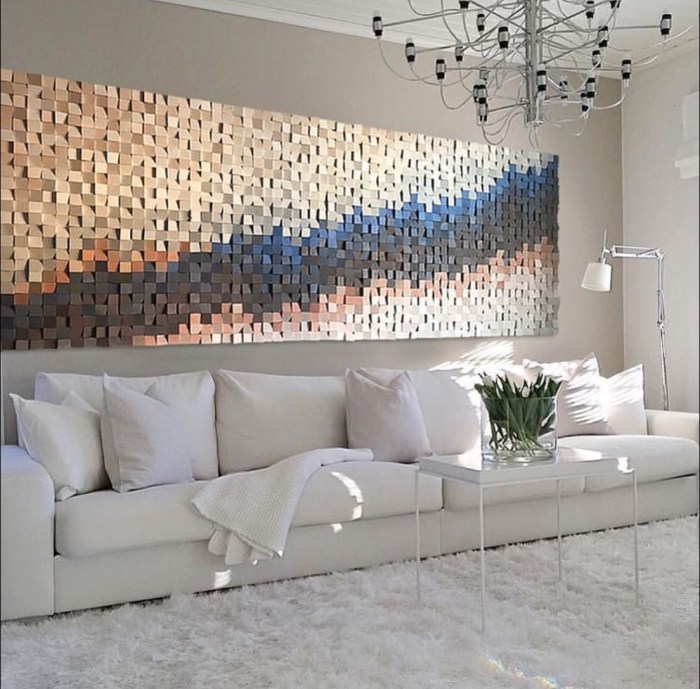
Transforming living spaces with modern wall art goes beyond mere decoration; it’s about curating an atmosphere, expressing personal style, and creating a visually engaging environment. This guide delves into the multifaceted world of modern wall art, exploring its defining characteristics, popular materials and techniques, current trends, and practical tips for incorporating these artistic pieces into your home.
From understanding the nuances of color palettes and the impact of size and placement to embarking on DIY projects and sourcing unique pieces, we’ll cover all aspects of modern wall art. Whether you’re a seasoned art enthusiast or a novice decorator, this exploration will empower you to confidently select and display modern wall art that enhances your living space and reflects your individual aesthetic.
Defining “Modern Wall Art”
Modern wall art, in its broadest sense, encompasses a diverse range of artistic expressions that reflect the aesthetic sensibilities and cultural trends of the 20th and 21st centuries. It’s characterized by a departure from traditional artistic conventions and a focus on innovation, experimentation, and often, a minimalist approach. Unlike traditional art forms, which often adhere to established rules of composition, perspective, and subject matter, modern wall art embraces a wider spectrum of materials, techniques, and conceptual approaches.Modern wall art prioritizes clean lines, bold colors, and simplified forms.
Key characteristics include a rejection of excessive ornamentation, a preference for geometric patterns or abstract designs, and the use of unconventional materials alongside more traditional ones. The emphasis is often placed on the artwork’s impact as a visual statement, rather than its narrative or symbolic content. This doesn’t mean that modern wall art lacks meaning; it simply expresses it through different avenues than its predecessors.
Key Characteristics and Design Elements
Modern wall art frequently features bold, monochromatic color palettes or high-contrast combinations. Geometric shapes, such as squares, circles, and triangles, are commonly employed, often in repeating patterns or layered compositions. Abstract expressionism, with its emphasis on spontaneous gestures and emotional expression through color and form, is a significant influence. Minimalist pieces, characterized by their simplicity and reduction to essential elements, are also prevalent.
The use of texture, whether through the material itself or added elements, can significantly enhance the artwork’s visual impact. For example, a textured canvas adds depth to a minimalist painting, while a collage incorporating found objects creates a multi-layered experience.
Comparison with Traditional Art Forms
Traditional art forms, such as Renaissance painting or Baroque sculpture, often emphasize realism, detailed representation, and narrative storytelling. They frequently employ classical techniques like perspective, chiaroscuro, and sfumato to create depth and illusion. In contrast, modern wall art often embraces abstraction, simplification, and unconventional techniques. While traditional art aims to meticulously recreate reality or convey a specific narrative, modern art often prioritizes the artist’s expression and the viewer’s subjective interpretation.
The materials used also differ; traditional art often relies on oils, watercolors, marble, or bronze, whereas modern art may incorporate found objects, industrial materials, digital prints, or mixed media. Consider, for example, a Renaissance painting depicting a biblical scene compared to a minimalist geometric abstract painting: the former strives for detailed realism and symbolic representation, while the latter focuses on the visual impact of color and form, leaving interpretation open to the viewer.
Popular Materials and Techniques
Modern wall art embraces a diverse range of materials and techniques, reflecting the ever-evolving landscape of artistic expression. The choice of material and technique significantly impacts the final aesthetic, durability, and overall feel of the piece. Understanding these options allows for a more informed selection when curating a personal collection or creating original artwork.
The versatility of modern wall art allows artists to push creative boundaries, combining traditional methods with innovative approaches. This section explores the popular materials and techniques employed in this dynamic field, examining their strengths and weaknesses.
Materials Used in Modern Wall Art
Modern wall art utilizes a wide array of materials, each offering unique textural and visual properties. Canvas, metal, wood, and mixed media are frequently employed, resulting in a spectrum of artistic expressions.
Canvas remains a classic choice, offering a readily available and relatively inexpensive surface for painting and printmaking. Metal, particularly aluminum and steel, provides a sleek, modern aesthetic and lends itself to techniques like etching and embossing. Wood, with its natural grain and texture, adds warmth and a rustic or minimalist touch depending on the finish and style. Mixed media, combining multiple materials such as paint, fabric, and found objects, allows for highly textured and expressive pieces.
Artistic Techniques in Modern Wall Art
The techniques used in creating modern wall art are as varied as the materials themselves. Painting, printmaking, sculpture, and digital art all play significant roles in shaping the current artistic landscape.
Painting, encompassing a vast array of styles and techniques from acrylics to oils, remains a cornerstone of modern art. Printmaking, including screen printing and lithography, allows for multiple reproductions while maintaining artistic integrity. Sculpture, whether freestanding or relief, introduces a three-dimensional element to wall art, adding depth and visual interest. Digital art, leveraging computer software and technology, opens up new possibilities for manipulation, experimentation, and unique artistic expression.
Comparison of Materials and Techniques
| Material/Technique | Pros | Cons | Examples |
|---|---|---|---|
| Canvas Painting (Acrylics) | Versatile, relatively inexpensive, vibrant colors, easy to work with. | Susceptible to damage, requires framing for protection, can fade over time. | Abstract expressionist paintings, pop art prints. |
| Metal Sculpture (Steel) | Durable, modern aesthetic, can be intricately detailed, weather-resistant (for outdoor pieces). | Can be expensive, requires specialized tools and skills, can be heavy. | Geometric wall sculptures, kinetic art. |
| Wood Printmaking (Woodcut) | Unique texture, rustic charm, environmentally friendly (using sustainable wood). | Can be time-consuming, requires specific tools, limited color palette in traditional woodcut. | Minimalist nature prints, illustrative wall hangings. |
| Digital Art (Giclée Print) | High-resolution images, vibrant colors, easy reproduction, cost-effective for multiples. | Can lack the tactile quality of traditional art, heavily reliant on technology, potential for digital manipulation concerns. | Photographic art prints, digitally enhanced paintings. |
Color Palettes and Trends
Modern wall art boasts a vibrant and ever-evolving landscape of color palettes, reflecting current design trends and societal influences. Understanding these palettes is key to selecting pieces that enhance a space’s aesthetic and mood. The choices available range from bold and dramatic to subtle and calming, each offering a unique opportunity to personalize a living space.Color palettes in modern wall art are heavily influenced by broader design trends.
These trends often reflect cultural shifts, technological advancements, and even economic factors. While certain palettes maintain enduring popularity, new combinations and approaches constantly emerge, ensuring the field remains dynamic and innovative.
Popular Modern Wall Art Color Palettes
Several color palettes consistently appear in modern wall art. These palettes are chosen for their versatility, ability to evoke specific moods, and compatibility with various interior design styles. For instance, monochromatic schemes using varying shades of a single color create a sense of sophistication and calmness. Earth tones, encompassing browns, greens, and beiges, offer a natural and grounding feel, often associated with minimalist or bohemian aesthetics.
Conversely, bold contrasting colors, such as vibrant blues paired with warm oranges, create a dynamic and energetic atmosphere. Muted pastels, like soft pinks and lavenders, generate a serene and romantic ambiance, ideal for bedrooms or relaxation spaces.
Current Trends and Emerging Styles
Currently, we see a strong trend towards natural and organic color palettes. This includes earthy tones like terracotta, sage green, and muted ochre, reflecting a growing interest in biophilic design and a desire to bring the outdoors in. Simultaneously, there’s a resurgence of bold, saturated colors used in unexpected combinations. Think deep indigo paired with bright coral or mustard yellow alongside dusty rose.
This reflects a move away from overly minimalist aesthetics towards more expressive and personality-driven design choices. Geometric patterns, often featuring contrasting color blocks, remain popular, offering a modern and structured look. Another emerging trend is the use of textured surfaces and metallic accents to add depth and visual interest to the color palettes.
Examples of Modern Wall Art Color Palettes
Below are three distinct color palettes suitable for modern wall art, along with a rationale for each:
- Palette 1: Serene NeutralsThis palette features a base of soft greys, creamy whites, and muted beige. Accents of pale blush pink and dusty blue add subtle warmth and visual interest. This palette is versatile, creating a calm and sophisticated atmosphere suitable for various room types and design styles. It evokes a feeling of tranquility and minimalist elegance.
- Palette 2: Vibrant Earth TonesThis palette uses rich terracotta, deep olive green, and warm ochre as its foundation. Black is incorporated as a grounding accent, providing contrast and definition. This palette offers a grounded yet vibrant feel, reflecting the current trend towards natural hues with a modern twist. It is perfect for spaces where a feeling of warmth and organic energy is desired.
- Palette 3: Bold ContrastThis palette features a striking combination of deep navy blue, bright coral, and creamy off-white. The off-white acts as a neutral balancer, preventing the palette from feeling overwhelming. This high-contrast palette creates a dynamic and energetic space, ideal for living areas or home offices that need a stimulating atmosphere. It reflects the current trend toward bolder and more expressive color combinations.
Incorporating Wall Art into Different Room Styles
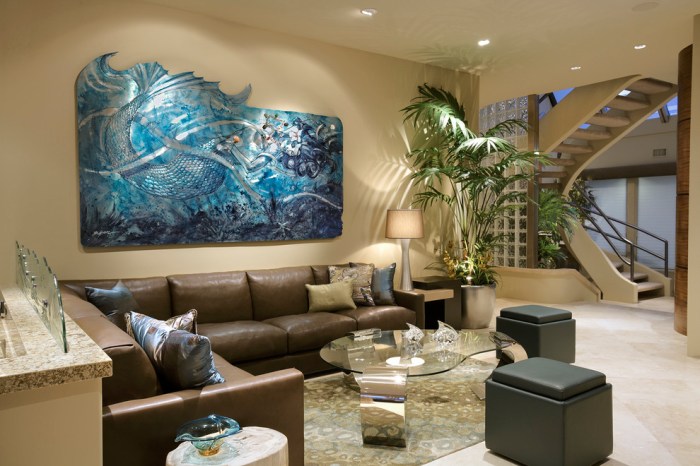
Modern wall art’s versatility allows it to seamlessly integrate into diverse interior design styles, enhancing the overall aesthetic and mood of any space. The key lies in understanding the principles of each style and selecting artwork that complements its core elements, rather than clashing with them. Careful consideration of color palettes, subject matter, and framing will ensure the art piece elevates, rather than detracts from, the room’s design.Selecting appropriate wall art significantly impacts a room’s ambiance.
A minimalist bedroom, for example, benefits from a single, impactful piece, while a vibrant bohemian living room might showcase a gallery wall of diverse textures and colors. The size, shape, and color of the artwork should harmonize with the existing furniture and décor, creating a cohesive and visually pleasing environment. Understanding the psychological impact of color and form is also crucial; calming blues and greens for bedrooms, while bolder reds and oranges might be suitable for a more energetic living space.
Modern Wall Art in Minimalist Interiors
Minimalist design prioritizes clean lines, simplicity, and a neutral color palette. Modern wall art in this context should reflect these principles. A large-scale abstract piece in muted tones, perhaps a monochrome photograph or a geometric print, would be ideal. The artwork should be carefully chosen to avoid overwhelming the space; its simplicity should enhance the existing minimalism, not compete with it.
For instance, a single, large canvas featuring a subtle gradient of greys and whites would provide a focal point without disrupting the clean lines of a minimalist living room. Overly busy or colorful pieces would clash with the minimalist aesthetic.
Modern Wall Art in Bohemian Interiors
Bohemian style embraces eclecticism, layering textures and patterns to create a vibrant and free-spirited atmosphere. Modern wall art within this setting should reflect this diversity. A gallery wall featuring a mix of macrame wall hangings, vibrant tapestries, and smaller abstract paintings would complement the overall aesthetic. The use of natural materials like wood and rattan in the frames would further enhance the bohemian feel.
Imagine a collection of smaller, framed botanical prints alongside a larger piece of textile art, all arranged in a slightly asymmetrical but balanced pattern. The variety in style and color will add to the eclectic nature of the room.
Modern Wall Art in Industrial Interiors
Industrial design incorporates raw, unfinished elements like exposed brick and metal pipes. Modern wall art in this style should reflect a similar aesthetic. Metal sculptures, black and white photography depicting urban landscapes, or abstract pieces with metallic accents would be suitable choices. The frames should be simple and utilitarian, perhaps in black metal or unfinished wood. A striking example would be a large-scale black and white photograph of an urban cityscape, displayed in a simple, black metal frame.
The contrast between the raw, industrial elements of the room and the sleek, modern artwork creates a visually appealing tension.
Arranging Multiple Pieces of Modern Wall Art
Creating a cohesive and visually appealing display of multiple pieces of modern wall art requires careful planning. Consider the size, shape, color, and subject matter of each piece, and arrange them in a way that creates a balanced and harmonious composition. A symmetrical arrangement can create a sense of order and calm, while an asymmetrical arrangement can feel more dynamic and energetic.
Maintaining consistent spacing between the pieces is crucial, and using a consistent framing style can further enhance the overall cohesiveness. For instance, a gallery wall featuring a variety of abstract paintings in similar color palettes, all framed in simple black frames, would create a unified and visually pleasing display. Experimenting with different arrangements before committing to a final design is highly recommended.
Modern Wall Art Sizes and Placement
The size and placement of modern wall art significantly impact a room’s overall aesthetic. Choosing the right scale and arrangement can elevate a space, while poor choices can detract from its design. Understanding the principles of scale and proportion is crucial for creating a visually appealing and harmonious environment. This section explores effective strategies for determining optimal size and placement, transforming your walls into captivating displays.The impact of scale in modern wall art is multifaceted.
Oversized pieces can create a dramatic focal point, commanding attention and adding a sense of grandeur, particularly in large, open spaces. Conversely, smaller pieces, when thoughtfully arranged, can offer a more subtle and refined aesthetic, complementing existing décor without overwhelming the room. The scale of the art should be carefully considered in relation to the size of the wall and the surrounding furniture.
A large piece in a small room might feel overpowering, while numerous small pieces in a vast space could appear lost and insignificant.
Determining Optimal Size and Placement
Effective placement hinges on several factors, including the size of the wall, the dimensions of the artwork, and the existing furniture layout. A good rule of thumb is to consider the “60% rule,” which suggests that the total width of the art should be approximately 60% of the width of the furniture piece it’s placed above. For instance, above a sofa that is 8 feet wide, the ideal total width of the artwork (whether a single piece or a gallery wall) should be around 4.8 feet.
However, this is merely a guideline; artistic license and personal preference always play a role. Placement should also consider the viewer’s perspective – ensuring the art is easily visible and appreciated from the most common viewing points in the room. In a dining room, for example, wall art above the dining table should be easily visible from the seating positions.
Arranging Wall Art of Varying Sizes
Consider the visual weight of each piece. Larger, bolder pieces naturally carry more visual weight than smaller, more delicate ones. To create a balanced arrangement, strategically distribute the visual weight across the wall. Imagine a large, vibrant abstract painting as a counterbalance to several smaller, framed prints.To achieve visual harmony, consider using a unifying element such as consistent framing or a shared color palette across the different pieces.
This creates cohesion and prevents the arrangement from appearing disjointed. A grouping of framed photographs, for example, might utilize the same frame color and matting to unify the collection.A successful gallery wall often incorporates a sense of visual flow. The pieces shouldn’t be arranged in a rigid, symmetrical pattern. Instead, aim for a more organic arrangement, with pieces of varying sizes and shapes creating a dynamic, yet balanced composition.
Imagine a large central piece flanked by smaller pieces, with the smaller pieces arranged in a loose, almost cascading pattern around the larger piece. This creates a sense of visual movement and intrigue. The overall effect should feel intentional and well-considered, not haphazard.
DIY Modern Wall Art Projects
Creating your own modern wall art is a rewarding experience, allowing for personalized expression and unique style within your home. It’s also a cost-effective way to achieve a high-impact look. The following projects utilize readily available materials and simple techniques, making them accessible to all skill levels.
Geometric Shape Collage
This project involves creating a visually striking piece using a variety of textured papers and geometric shapes. The contrast in textures and colors creates a modern and dynamic effect.
- Gather Materials: Acquire a selection of textured papers (e.g., scrapbook paper, wrapping paper, cardstock) in various colors and patterns. You’ll also need a large piece of canvas or sturdy cardboard as your base, scissors, ruler, pencil, and adhesive (glue stick or double-sided tape).
- Design and Cut: Sketch out a composition of geometric shapes (circles, squares, triangles, etc.) on a separate piece of paper. Experiment with different sizes and arrangements to find a pleasing design. Then, cut out the shapes from your chosen papers, ensuring a variety of colors and textures are used.
- Assemble and Adhere: Arrange the cut-out shapes on your canvas or cardboard base until you are satisfied with the arrangement. Once you have finalized the layout, carefully adhere the shapes to the base using your chosen adhesive. Ensure that the edges are neatly aligned and that the adhesive is applied evenly to prevent warping or bubbling.
- Optional Finishing Touches: Consider adding a frame or a protective sealant spray to enhance the longevity and presentation of your artwork.
Stenciled Wall Hanging
This project provides a clean, minimalist aesthetic achievable through the use of stencils and paint. The result is a sophisticated piece with a customizable design.
- Prepare Your Materials: You will need a piece of fabric (canvas, linen, or even a plain cotton sheet), stencils (you can purchase pre-made stencils or create your own from cardstock), acrylic paints in your chosen colors, a paintbrush or sponge roller, and painter’s tape.
- Secure the Stencil: Position your stencil on the fabric. Use painter’s tape to secure it firmly in place, ensuring there are no gaps that could allow paint to bleed underneath.
- Apply the Paint: Using a dabbing motion with a sponge roller or a light hand with a brush, apply the paint to the stencil. Avoid applying too much pressure, as this could cause the stencil to move. Remove the stencil carefully once the paint is dry.
- Repeat and Dry: Repeat the process with additional stencils and colors as desired. Allow the paint to fully dry before handling or displaying the finished wall hanging.
Textured Paint Canvas
This technique utilizes various painting techniques to create a three-dimensional effect, offering a tactile and visually interesting piece.
- Gather Supplies: You will need a canvas, acrylic paints in various colors, a palette knife, various brushes (different sizes and textures), and optionally, some textured mediums (e.g., modeling paste, sand, or glitter).
- Base Coat: Apply a base coat of your chosen color to the canvas. Allow it to dry completely.
- Apply Texture: Using a palette knife, apply layers of different colored paints, mixing in textured mediums if desired. Experiment with different techniques – swirling, layering, dragging – to create texture and depth. The key is to allow some colors to show through others, creating visual interest.
- Finishing Touches: Once the paint is dry, you can add details with finer brushes or leave it as is. Consider adding a protective sealant spray to enhance longevity.
Where to Find and Purchase Modern Wall Art
Finding the perfect piece of modern wall art can transform a space. Fortunately, there are numerous avenues to explore, each offering unique advantages and disadvantages. Choosing the right source depends on your budget, desired style, and the level of personal interaction you prefer during the purchasing process.Locating and acquiring modern wall art involves navigating a diverse range of options, from established galleries to online marketplaces and individual artists.
Each platform presents a distinct set of benefits and drawbacks, influencing the overall purchasing experience and the final product’s quality and cost.
Online Marketplaces
Online marketplaces, such as Etsy, Amazon Handmade, and Society6, offer a vast selection of modern wall art from diverse artists and sellers worldwide. These platforms provide convenience and accessibility, allowing you to browse a wide range of styles and price points from the comfort of your home. However, the sheer volume of options can sometimes make it challenging to filter through the choices, and the quality of the artwork can vary significantly.
Verifying the seller’s reputation and examining customer reviews are crucial steps in mitigating risks associated with online purchases. Furthermore, the digital representation of artwork may not always accurately reflect the final product’s appearance in person.
Art Galleries
Traditional art galleries offer a more curated selection of modern wall art, often showcasing the work of established and emerging artists. The advantage of purchasing from a gallery is the opportunity to view the artwork in person, assessing its quality, texture, and overall impact. Gallery staff can also provide valuable insights into the artist’s background and creative process.
However, gallery-sourced artwork typically commands higher prices than pieces found on online marketplaces. The limited selection within a single gallery might also necessitate visiting multiple locations to find the desired piece.
Independent Artists
Purchasing directly from independent artists, often through their personal websites or social media platforms, offers a unique opportunity to support emerging talent and acquire one-of-a-kind pieces. This direct approach fosters a closer connection between the buyer and the creator, allowing for personalized customization or commissioning of artwork. However, it requires more research to verify the artist’s credibility and ensure secure payment and shipping processes.
The availability of artwork might be limited, and communication with the artist may require patience and proactive engagement.
Factors to Consider When Selecting a Reputable Seller or Artist
Choosing a trustworthy seller or artist is crucial to ensuring a positive purchasing experience. Several key factors should be considered. Firstly, examine the seller’s or artist’s online presence, looking for a professional website or social media profile with detailed information about their work and process. Secondly, check customer reviews and testimonials to gauge the seller’s reputation for quality, communication, and shipping reliability.
Thirdly, inquire about the artwork’s materials and techniques to understand its durability and longevity. Finally, ensure secure payment options and clearly defined shipping policies are in place to protect your purchase. For example, paying through platforms with buyer protection mechanisms can help mitigate potential risks associated with online transactions.
Ultimately, the journey into the world of modern wall art is a personal one. By understanding the key elements—materials, techniques, color palettes, and placement—you can effectively curate a collection that speaks to your individual style and transforms your living space into a reflection of your unique personality. Whether you choose to create your own masterpieces or source stunning pieces from established artists, the impact of thoughtfully chosen modern wall art is undeniable.
Helpful Answers
What are some affordable materials for DIY modern wall art?
Cardboard, reclaimed wood, repurposed fabrics, and even painted twigs are excellent budget-friendly options.
How do I choose the right size wall art for my space?
Consider the scale of the room; larger pieces work well in expansive spaces, while smaller pieces suit smaller areas. A good rule of thumb is to choose art that’s roughly 2/3 the width of the furniture it’s placed above.
How can I arrange multiple pieces of wall art effectively?
Experiment with groupings of varying sizes and shapes, creating a visually balanced arrangement. Consider using a grid pattern for a structured look or a more organic arrangement for a less formal feel.
Where can I find inspiration for modern wall art ideas?
Browse design blogs, magazines, Pinterest, Instagram, and art galleries for inspiration. Pay attention to color palettes, textures, and the overall aesthetic of spaces you admire.


