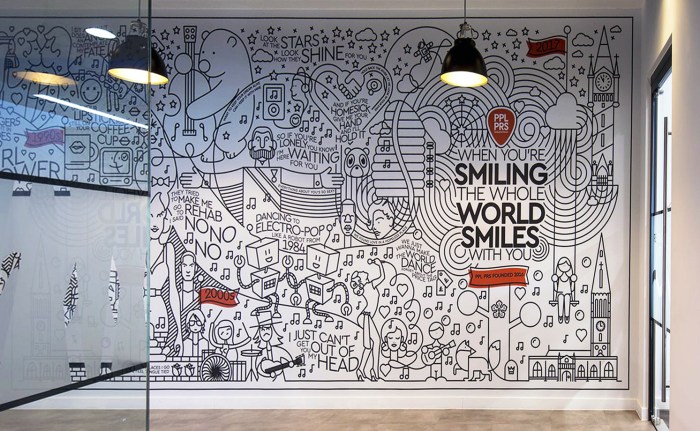
Transforming a sterile office into a vibrant and inspiring workspace is achievable through strategic use of wall art. Beyond mere decoration, thoughtfully chosen artwork significantly impacts employee mood, productivity, and the overall company culture. This exploration delves into the diverse world of office wall art, examining styles, materials, sourcing, and the profound psychological effects it wields.
From minimalist abstracts to nature-inspired landscapes, the possibilities are vast. We’ll guide you through selecting pieces that resonate with your brand identity, complement your office design, and foster a positive and productive atmosphere. Understanding the impact of color palettes, scale, and material choices will be key to achieving the desired aesthetic and functional benefits.
Types of Wall Art for Office Spaces

Selecting the right wall art can significantly enhance the aesthetic appeal and overall atmosphere of an office space, impacting employee morale and productivity. The choice of art style, material, and color palette should be carefully considered to create a functional and inspiring environment. This section explores various options to help you make informed decisions.
Wall Art Styles for Offices
Different art styles cater to various tastes and office cultures. Consider the overall design and desired ambiance when making your selection.
| Abstract Art | Minimalist Art | Landscape Art | Photographic Art |
|---|---|---|---|
| Abstract art uses shapes, colors, and forms to create a non-representational visual experience. It can be bold and stimulating or calming and subtle, depending on the specific piece. For example, a large canvas with vibrant geometric patterns could energize a creative team’s workspace. | Minimalist art emphasizes simplicity and clean lines. A single, well-placed piece can create a sense of calm and order. A black and white photograph of a simple architectural element could be a perfect example for a modern, minimalist office. | Landscape art brings the beauty of nature indoors. Calming and inspiring, it can reduce stress and improve focus. A serene mountain vista or a vibrant coastal scene can create a tranquil atmosphere in a busy office setting. | Photographic art offers a wide range of subjects and styles. High-quality prints can add a professional touch or a personal element depending on the chosen image. A series of black and white architectural photographs could complement a modern office’s design. |
Materials Used in Office Wall Art
The material of your wall art contributes significantly to its overall look and feel, as well as its longevity and maintenance requirements.
Several materials offer distinct advantages and disadvantages:
| Material | Advantages | Disadvantages |
|---|---|---|
| Canvas | Versatile, affordable, readily available in various sizes and styles. Can be easily framed or left unframed. | Susceptible to damage from moisture and direct sunlight. Requires careful handling and cleaning. |
| Metal | Durable, modern look, can be easily cleaned, suitable for contemporary offices. | Can be expensive, may be heavy and require specialized hanging hardware. Can be susceptible to scratches. |
| Wood | Natural, warm aesthetic, adds texture and depth, suitable for rustic or traditional offices. | Can be prone to warping or cracking if not properly treated. Requires regular cleaning and maintenance. |
| Acrylic | Lightweight, vibrant colors, durable, easy to clean. | Can be more expensive than canvas prints. May require specialized framing. |
Color Palettes for Office Wall Art
The impact of color on mood and productivity is well-documented. Strategic color choices in your office wall art can enhance the workspace.
A color palette guide for office wall art might include:
| Color Palette | Impact on Mood & Productivity | Suitable Office Types |
|---|---|---|
| Blues and Greens (Cool Tones) | Calming, promotes focus and concentration, reduces stress. | Quiet workspaces, offices requiring high levels of concentration (e.g., research, design). |
| Yellows and Oranges (Warm Tones) | Energetic, stimulating, promotes creativity and collaboration. | Creative teams, collaborative workspaces, meeting rooms. |
| Neutral Tones (Grays, Beiges, Whites) | Versatile, creates a clean and professional atmosphere, suitable for various office styles. | Modern offices, corporate settings, spaces requiring a neutral backdrop. |
| Accents of Red | Can boost energy and motivation, but should be used sparingly to avoid overstimulation. | Reception areas, areas needing a burst of energy, but not in areas requiring intense focus. |
Wall Art and Office Aesthetics
Wall art plays a crucial role in shaping the overall atmosphere and brand identity of an office space. It’s more than just decoration; it’s a powerful tool for communication, influencing employee morale, client perception, and the overall productivity of the workspace. Strategic use of wall art can significantly enhance the aesthetic appeal and functionality of an office environment.Wall art contributes to a company’s brand identity by visually reinforcing its values and culture.
The style, color palette, and subject matter of the art chosen can subtly (or dramatically) communicate the company’s personality. For example, a tech startup might opt for bold, abstract pieces reflecting innovation and dynamism, while a law firm might prefer classic landscapes or sophisticated portraits conveying professionalism and stability. A creative agency, on the other hand, might showcase vibrant, eclectic artwork that reflects its playful and experimental nature.
The choice of art should always align with the company’s mission and target audience.
Impact of Art Styles on Company Culture
Different art styles evoke different feelings and associations, directly impacting the perceived company culture. A minimalist office with clean lines and abstract monochrome art projects an image of efficiency and order. In contrast, an office filled with vibrant pop art or street art creates a more energetic and informal atmosphere, fostering creativity and collaboration. Similarly, offices adorned with nature photography can promote a sense of calm and tranquility, while those featuring historical or cultural artwork might emphasize heritage and tradition.
The selection of art style is thus a key element in establishing the desired office ambiance and attracting the right talent.
Large-Scale Artwork vs. Multiple Smaller Pieces
The choice between large-scale artwork and multiple smaller pieces significantly influences the visual impact of an office space. A single, large piece can create a dramatic focal point, commanding attention and making a bold statement. This approach works well in larger spaces or areas requiring a strong visual anchor. It can also be effective in highlighting a specific brand element or company value.
Conversely, using numerous smaller pieces allows for greater diversity and flexibility. This approach is ideal for creating a more eclectic and curated look, enabling a broader representation of styles and themes, reflecting a more multifaceted company culture. Smaller pieces can also be used to break up large walls and add visual interest to smaller spaces, potentially creating a more intimate or personalized feel.
Visual Representation of an Office Space
Imagine a modern office with high ceilings and abundant natural light. One wall features a large-scale abstract painting in calming blues and greens, serving as a visual anchor. Adjacent to it, a gallery wall displays a curated collection of smaller, framed prints – a mix of minimalist line drawings, vibrant botanical illustrations, and black and white photography. The furniture is contemporary and minimalist, featuring sleek desks and comfortable seating in neutral tones.
The lighting is a combination of natural light and strategically placed track lighting, highlighting the artwork and creating a balanced, well-lit space. This combination creates a sophisticated yet inviting aesthetic, reflecting a balance between professionalism and creativity, fostering both focus and collaboration. The overall aesthetic is one of calm sophistication and innovative energy, a space designed to inspire and energize.
WALL ART
Wall art, in its broadest sense, encompasses any artistic creation intended for display on a wall. Its history is intertwined with the history of art itself, evolving from rudimentary cave paintings to the sophisticated installations of contemporary artists. The function of wall art has also shifted over time, from primarily serving ritualistic or practical purposes to becoming a significant form of self-expression and interior design.
A Historical Overview of Wall Art
Wall art’s journey spans millennia. Early forms, such as cave paintings found in Lascaux, France, and Altamira, Spain, served narrative and possibly ritualistic functions. These prehistoric works, created using pigments derived from natural sources, demonstrate the innate human desire to create and express oneself visually.
The Paleolithic era (roughly 2.6 million to 11,700 years ago) saw the creation of some of the earliest known examples of wall art, demonstrating the fundamental human impulse towards artistic expression.
Later civilizations, including the ancient Egyptians, Greeks, and Romans, incorporated wall art extensively into their architecture and public spaces. Frescoes, mosaics, and reliefs adorned palaces, temples, and tombs, reflecting the cultural values and beliefs of the time. The Renaissance saw a renewed focus on classical forms and techniques, resulting in breathtaking frescoes and panel paintings that graced the walls of churches, palaces, and private residences.
The Renaissance (14th-16th centuries) witnessed a flourishing of wall art, with artists like Michelangelo creating iconic frescoes in the Sistine Chapel, showcasing the mastery of perspective and human form.
The rise of modern art in the late 19th and 20th centuries brought about radical shifts in style and technique. Movements such as Cubism, Surrealism, and Abstract Expressionism challenged traditional notions of representation and opened up new avenues for artistic expression on walls. Today, wall art continues to evolve, encompassing a vast range of styles, media, and approaches.
Techniques in Wall Art Creation
A diverse array of techniques contributes to the richness and variety of wall art. Three prominent examples are:
1. Painting: This timeless method employs pigments suspended in a medium (such as water, oil, or acrylic) to create images on a surface. Different painting techniques, like fresco (painting on wet plaster), tempera (using egg yolk as a binder), and acrylic painting (using synthetic polymers), yield unique textures and effects. Fresco, for instance, results in a durable and luminous surface, while acrylics offer versatility and quick drying time.
The choice of technique significantly influences the final artwork’s appearance and longevity.
2. Printmaking: This involves creating multiple impressions of an image from a prepared surface, such as a woodblock, metal plate, or screen. Techniques like woodcut, etching, and screen printing offer diverse aesthetic qualities. Woodcut prints, for example, boast a characteristically bold and textured appearance, while etching allows for intricate detail and subtle tonal variations. Screen printing, a more modern method, enables the production of vibrant, large-scale prints, often used in contemporary wall art.
3. Mixed Media: This approach integrates various materials and techniques to create a cohesive and layered artwork. Mixed media wall art might incorporate painting, collage, sculpture, and found objects, creating unique textures and visual interest. An example could be a canvas incorporating painted elements, fabric scraps, and embedded metal pieces, resulting in a three-dimensional, tactile artwork.
Framing and Presentation of Wall Art
The way wall art is framed and presented significantly impacts its overall aesthetic appeal. Careful consideration of the frame style, matting, and hanging method can elevate a piece from ordinary to extraordinary.
A minimalist painting, for example, might benefit from a sleek, thin black frame that complements its clean lines and allows the artwork’s colors and composition to take center stage. Conversely, a richly detailed piece with intricate patterns might be enhanced by an ornate, gilded frame that adds to its grandeur and visual complexity. The use of matting, a border between the artwork and the frame, can further enhance the piece by providing visual separation and drawing attention to the artwork’s focal point.
The choice of hanging method—centered, off-center, or grouped with other pieces—also affects the overall impact of the display. A large, bold artwork might command attention when hung centrally, while a collection of smaller pieces can create a dynamic and engaging gallery wall. Consider the interplay of colors, textures, and styles when selecting frames and arranging the artwork to create a visually cohesive and harmonious display.
Incorporating wall art into your office space is an investment that extends far beyond aesthetics. It’s a strategic move to cultivate a positive and productive work environment, reflecting your company’s values and boosting employee well-being. By carefully considering the style, material, scale, and placement of your artwork, you can create a workspace that inspires creativity, enhances collaboration, and leaves a lasting impression on both employees and clients.
The journey to a more engaging office begins with the thoughtful selection of wall art.
Essential FAQs
How much should I spend on office wall art?
Budget depends on size and quantity. Consider allocating a percentage of your overall office design budget, prioritizing quality over quantity for a lasting impact.
Can I use employee artwork?
Absolutely! Employee artwork fosters a sense of community and can showcase talent. Ensure consistent style and professional presentation.
How do I hang large pieces of wall art?
Use heavy-duty hanging hardware appropriate for the wall type and artwork weight. Professional installation may be necessary for very large pieces.
How often should I update my office wall art?
Frequency depends on your company’s culture and branding. Seasonal changes or significant company milestones are good opportunities for updates.


