Transforming a house into a home often involves the careful selection of wall art. Finding the perfect piece can be a journey, encompassing online marketplaces brimming with diverse options, the curated collections of brick-and-mortar stores, and the unique charm of handcrafted creations. This guide navigates the landscape of wall art acquisition, offering insights into where to buy, what to consider, and how to make informed decisions that reflect your personal style and enhance your living space.
From the convenience of online shopping to the immersive experience of browsing physical galleries, each avenue offers distinct advantages and considerations. Understanding the nuances of different retailers, art types, and pricing factors empowers you to confidently choose wall art that perfectly complements your aesthetic preferences and budget.
Brick-and-Mortar Stores
Brick-and-mortar stores offer a tangible experience when shopping for wall art, allowing for direct interaction with the pieces and a more informed purchase decision. While online options provide convenience, physical stores provide the opportunity to assess quality, size, and color in person, leading to greater satisfaction. This section will explore the different types of stores offering wall art and the benefits and drawbacks of in-person shopping.The selection of wall art available in brick-and-mortar stores varies greatly depending on the type of establishment.
Each offers a unique shopping experience and caters to different tastes and budgets.
Wall Art Selection in Different Stores
The variety and price range of wall art significantly differ across various retail environments.
- Home Goods Stores: These stores typically offer a wide selection of mass-produced prints, posters, and framed artwork. Price points generally range from affordable to moderately priced, focusing on trendy and readily accessible designs. Examples include framed photographs, canvas prints of landscapes or abstract art, and decorative wall mirrors.
- Department Stores: Department stores usually have a more curated selection than home goods stores, including a mix of mass-produced and some limited-edition pieces. The price range is broader, spanning from affordable prints to more expensive original artwork or high-quality reproductions. One might find lithographs, serigraphs, or even small original paintings alongside more commonplace items.
- Art Galleries: Art galleries specialize in showcasing original artwork, often from established or emerging artists. The selection is highly curated and typically features unique pieces, with price points ranging from moderately priced to extremely high, depending on the artist’s reputation and the piece’s rarity or significance. Expect to find paintings, sculptures, photography, and other fine art forms.
The In-Person Shopping Experience
Purchasing wall art in person offers several advantages. You can physically examine the artwork’s texture, color accuracy, and framing quality, ensuring it aligns with your expectations and home décor. The ability to compare multiple pieces side-by-side and get immediate feedback on size and scale is invaluable. Furthermore, interacting with knowledgeable staff can provide valuable insights into the artist, the artwork’s creation, and its suitability for your space.
However, in-person shopping has drawbacks. The selection might be limited compared to online marketplaces, and the physical effort of visiting stores can be time-consuming. Prices may also be higher than online options, and there is no option for easy returns or exchanges.
A Hypothetical Art Gallery Visit
Imagine a visit to a local art gallery specializing in contemporary landscape paintings. Upon entering, you browse the various pieces, noting the artists’ names and descriptions provided. You find a painting depicting a dramatic sunset over a mountain range that resonates with you. You approach a gallery attendant, inquiring about the artist’s background and the painting’s medium and dimensions.
The attendant provides information about the artist’s inspiration and technique, and confirms the size and materials. You then discuss framing options and pricing, which includes tax and delivery. After confirming your purchase, you provide payment details and arrange for delivery or collection of the artwork. The entire process is personalized and allows for a detailed understanding of the piece before committing to the purchase.
Types of Wall Art and Where to Find Them
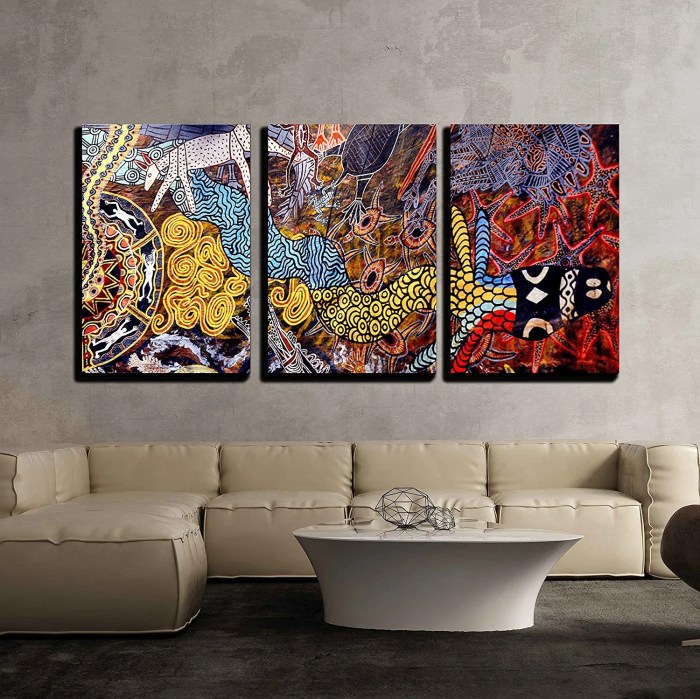
Choosing the right wall art can significantly enhance the aesthetic appeal of your home. Understanding the various types available and where to source them is crucial for achieving your desired look and feel. This section explores different wall art categories, their typical price ranges, and the best places to find them, along with a comparison of custom versus ready-made options.
The selection of wall art is vast and varied, offering numerous options to suit individual tastes and budgets. From classic paintings to modern prints and unique sculptures, the possibilities are endless. Consider the style of your home, the existing décor, and the overall mood you wish to create when making your choice.
Types of Wall Art, Materials, Pricing, and Sourcing
The following table categorizes different types of wall art, highlighting common materials, typical price ranges, and ideal purchasing locations. Price ranges are estimates and can vary significantly based on artist, size, and material quality.
| Type of Wall Art | Common Materials | Typical Price Range | Best Places to Buy |
|---|---|---|---|
| Paintings (Oil, Acrylic, Watercolor) | Canvas, wood panel, paper | $50 – $10,000+ | Art galleries, online marketplaces (Etsy, Saatchi Art), artist studios |
| Prints (Giclée, Lithograph, Screen Print) | Paper, canvas, metal | $20 – $500+ | Online print shops, art galleries, department stores |
| Tapestries | Textiles (cotton, wool, silk) | $50 – $1,000+ | Home décor stores, online retailers, antique shops |
| Sculptures | Wood, metal, stone, ceramic | $100 – $10,000+ | Art galleries, sculpture studios, online marketplaces |
| Photographs | Paper, canvas, metal | $30 – $500+ | Online print shops, photography studios, stock photography websites |
Custom vs. Ready-Made Wall Art
The decision between purchasing custom-made or ready-made wall art involves several considerations. Custom wall art, such as a commissioned painting or a uniquely designed tapestry, offers unparalleled personalization and the ability to perfectly match your existing décor or create a one-of-a-kind statement piece. However, it typically comes with a higher price tag and longer lead times. Ready-made art, on the other hand, provides a wider selection, quicker availability, and often more affordable options.
The trade-off is a potentially less unique piece that may not perfectly integrate with your specific style. Ultimately, the best choice depends on your budget, timeline, and desired level of personalization.
Sourcing Specific Types of Wall Art
Finding specific types of wall art requires exploring diverse sources. Below are examples of where to find unique pieces.
- Vintage Posters: Online auction sites (eBay), antique shops, vintage stores, flea markets.
- Limited-Edition Prints: Art galleries specializing in prints, artist websites, online print shops specializing in limited editions.
- Original Artwork: Local art galleries, artist studios, online art marketplaces (Saatchi Art, Etsy), art fairs.
Factors to Consider When Buying Wall Art
Selecting the perfect piece of wall art involves more than just a quick glance; it requires careful consideration of several factors to ensure a harmonious blend of aesthetics, budget, and practicality. The right piece can transform a room, while the wrong one can clash with the existing décor and feel out of place. This section will guide you through the key elements to keep in mind during your search.Several factors significantly influence the price of wall art.
The artist’s reputation plays a crucial role; established and renowned artists command higher prices due to their established market value and the perceived prestige of owning their work. The materials used are another major factor; pieces crafted from high-quality materials like hand-carved wood, genuine oil paints on linen canvas, or precious metals will inherently be more expensive than those made from less costly alternatives such as mass-produced prints or less durable materials.
The size of the artwork also directly impacts the price; larger pieces typically require more materials and labor, leading to a higher cost. Finally, the type and quality of framing can add considerably to the overall price, with custom-made, ornate frames significantly increasing the cost compared to simple, mass-produced frames.
Wall Art Size and Scale
The size and scale of your wall art are paramount to its visual impact. A large, bold piece in a small room can overwhelm the space, making it feel cramped and cluttered. Imagine a vibrant, oversized landscape painting dominating a tiny living room; the artwork’s scale would dwarf the furniture and create a sense of disproportion. Conversely, a small, delicate piece in a large room can get lost and appear insignificant.
Picture a miniature watercolor painting hung on a vast wall in a spacious hallway; it would likely be overlooked and fail to make a statement. The artwork should complement the room’s size, creating a balanced and visually appealing composition. Consider the existing furniture and architectural features to determine the ideal size for your chosen piece.
Tips for Choosing Wall Art that Complements Existing Décor and Personal Style
Choosing wall art that enhances your home décor and reflects your personality is crucial for creating a space that feels truly your own. Before you begin your search, take some time to analyze your existing décor style. Are your furnishings predominantly modern, traditional, rustic, or eclectic? Note the color palette, textures, and patterns used throughout your home. Selecting wall art with similar elements will create a cohesive and harmonious look.
Consider the overall mood you want to evoke in each room. Do you desire a calming, serene atmosphere, or a vibrant, energetic space? Choose artwork that aligns with the desired mood and complements the existing ambiance. Don’t be afraid to incorporate personal elements into your selection; choose pieces that genuinely resonate with you and evoke positive emotions.
Finally, remember that art is subjective; trust your instincts and select pieces that you truly love, regardless of current trends.
Wall Art Styles and Trends
Wall art styles are constantly evolving, reflecting broader shifts in design aesthetics and cultural trends. Understanding these trends can help you choose pieces that not only enhance your space but also reflect your personal style and stay relevant for years to come. The following sections explore some of the most popular current styles and their defining characteristics.
Current trends in wall art demonstrate a fascinating interplay between established artistic movements and contemporary design sensibilities. Minimalism, with its emphasis on simplicity and clean lines, continues to hold sway, often contrasted by the vibrant textures and eclecticism of bohemian styles. Abstract art, a mainstay for decades, shows ongoing innovation through new techniques and materials, while modern art styles, influenced by mid-century modern design, offer a sophisticated and timeless aesthetic.
The influence of Pop Art remains visible in bold colors and graphic imagery, while the organic forms and natural materials of Art Nouveau inspire a renewed interest in handcrafted and nature-inspired wall art. This blend of styles allows for a wide range of creative expression and personal customization in interior design.
Current Wall Art Styles
Several key styles dominate the current wall art landscape. Each offers a distinct aesthetic, catering to diverse tastes and design preferences.
- Minimalist: Characterized by simple shapes, muted color palettes (often neutrals like grays, whites, and blacks), and a focus on negative space. Think clean lines, geometric patterns, and a sense of understated elegance.
- Bohemian: Emphasizes eclecticism, layering, and a global influence. Expect rich textures, vibrant colors, and a mix of patterns and materials, including tapestries, macrame, and natural fibers.
- Modern: Often features clean lines, geometric shapes, and a focus on functionality. Color palettes are typically neutral or feature bold accents. Materials like metal, wood, and glass are frequently used.
- Abstract: Non-representational art focusing on color, form, and composition. Styles range from bold and expressive to subtle and contemplative, offering a wide range of options for different tastes.
A Hypothetical Living Room
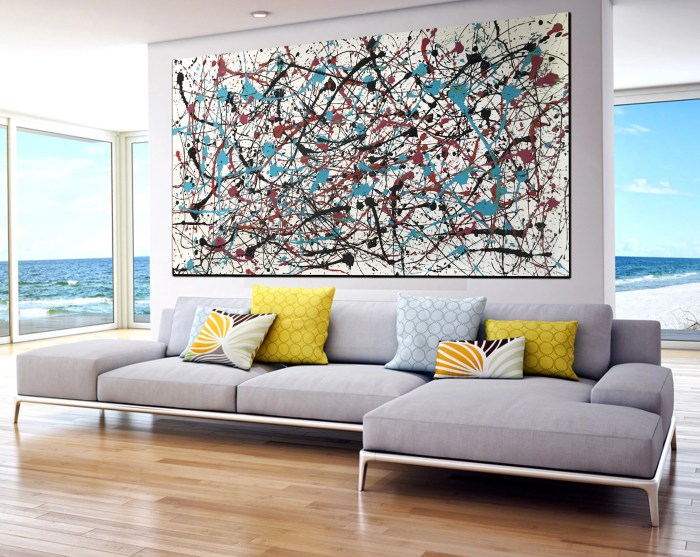
Imagine a living room decorated in a minimalist style. The walls are painted a soft, warm gray, providing a neutral backdrop. A large, framed piece of abstract art featuring muted blues and grays hangs above the sofa, its simple geometric shapes echoing the clean lines of the furniture. The sofa itself is a light gray fabric, and the floor is covered in a light-colored rug with a subtle texture.
A few carefully selected accessories, such as a ceramic vase and a small sculpture, add subtle touches of visual interest without overwhelming the space. The overall mood is one of calm, serenity, and understated elegance, reflecting the minimalist aesthetic’s emphasis on simplicity and functionality.
Ultimately, the quest for the ideal wall art hinges on a blend of personal taste, practical considerations, and a thorough understanding of available options. Whether you prefer the vast selection of online retailers, the tactile experience of a gallery, or the unique appeal of handcrafted pieces, this guide has equipped you with the knowledge to embark on your artistic journey with confidence.
Remember to consider your space, style, and budget to ensure your chosen artwork enhances your home for years to come.
FAQ Compilation
What size wall art should I choose for my room?
The ideal size depends on the room’s dimensions. A larger piece can work well in a spacious room, while a smaller piece might overwhelm a small space. Consider the proportion of the art to the wall and surrounding furniture.
How do I care for my new wall art?
Care instructions vary depending on the material. Generally, avoid direct sunlight and excessive humidity. For framed pieces, dust regularly with a soft cloth. For delicate pieces, consult a professional art conservator for cleaning advice.
Can I return wall art if I don’t like it?
Return policies vary by retailer. Check the retailer’s specific policy before purchasing. Many online retailers offer a return window, while brick-and-mortar stores may have different exchange or refund procedures.


