
Digital wall art prints have exploded in popularity, offering a vibrant and accessible way to personalize living spaces. This guide delves into the multifaceted world of digital wall art, exploring market trends, design considerations, and effective marketing strategies. From understanding file formats and color accuracy to mastering the art of placement and creating visual harmony, we’ll cover everything you need to know to succeed in this dynamic market or simply enhance your own home.
We’ll examine the diverse styles available, from minimalist to bohemian, and discuss how to select and arrange prints to create a cohesive and aesthetically pleasing environment. The guide also includes practical advice on utilizing online marketplaces and social media to effectively promote your artwork, whether you’re a seasoned artist or just starting out.
Wall Art
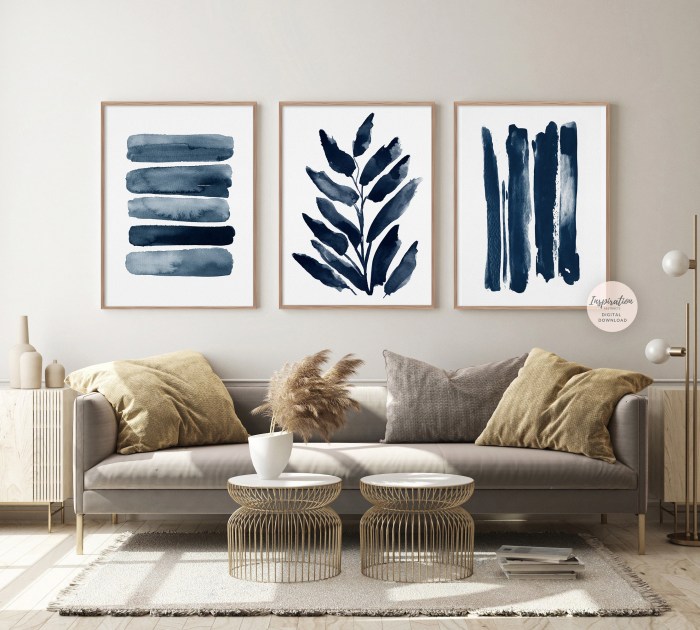
Choosing and placing wall art effectively can significantly enhance the aesthetic appeal and overall ambiance of any room. Careful consideration of design principles, scale, and the type of art itself is crucial for achieving a harmonious and visually pleasing result. This section explores key aspects of wall art design and placement to help you create a stunning and personalized space.
Design Principles and Wall Art Placement
The principles of design, such as balance, proportion, scale, and unity, are fundamental to successful wall art placement. Balance refers to the visual weight distribution of the artwork and surrounding elements. Proportion relates to the size of the art in relation to the size of the wall and the furniture. Scale considers the artwork’s size in relation to the overall room size.
Unity ensures the artwork complements the room’s existing décor and style. For example, a large, bold piece of abstract art might create a focal point in a minimalist living room, while several smaller, framed prints could add visual interest to a more traditional bedroom.
Impact of Size and Scale
The size and scale of wall art dramatically impact the overall feel of a space. A large-scale piece can make a small room feel smaller if not carefully positioned, while a small piece can get lost in a large room. Conversely, a strategically placed large artwork can add grandeur to a spacious room, while a collection of smaller pieces can create a gallery wall effect, adding visual interest without overwhelming the space.
Consider the existing furniture and architectural features; a large piece of art above a fireplace mantelpiece, for instance, creates a natural focal point.
Wall Art and Interior Design Styles
Different types of wall art complement various interior design styles. For instance, minimalist interiors often benefit from clean-lined abstract paintings or graphic prints. Traditional interiors might be enhanced by classic oil paintings or ornate framed prints. Modern interiors can showcase bold sculptures or photographic prints. A rustic setting could incorporate nature-inspired artwork like landscape paintings or wood carvings.
The key is to choose artwork that enhances, rather than clashes with, the existing style and colour palette.
Visual Guide: Optimal Wall Art Placement
Understanding optimal placement is key to maximizing the visual impact of your wall art. The following illustrates ideal placement for different sized artwork in common room settings.
Living Room:
- Large artwork (over 4 feet wide): Above a large sofa or fireplace mantel, ensuring there is sufficient space above and below the artwork.
- Medium artwork (2-4 feet wide): Above a smaller sofa, console table, or side table. Maintain a consistent distance from the furniture.
- Small artwork (under 2 feet wide): Grouped together to create a gallery wall, or placed strategically above smaller furniture pieces like side tables or bookshelves.
Bedroom:
- Large artwork (over 3 feet wide): Above the headboard of a bed, leaving enough space between the artwork and the ceiling.
- Medium artwork (1.5-3 feet wide): On a wall opposite the bed, or above a dresser or vanity.
- Small artwork (under 1.5 feet wide): Above bedside tables or grouped together to create a smaller gallery wall above a dresser.
Exploring Different Styles of Digital Wall Art Prints
Digital wall art prints offer a versatile and readily accessible way to personalize living spaces. The style of the print significantly impacts the overall aesthetic and mood of a room, reflecting the homeowner’s personality and taste. Choosing the right style involves considering color palettes, textures, patterns, and how these elements interact to create a cohesive and visually appealing environment.
Digital Wall Art Print Styles
Several distinct styles of digital wall art prints cater to diverse preferences. Minimalist prints prioritize simplicity and clean lines, often featuring a single, bold element against a neutral background. Bohemian prints embrace vibrant colors, intricate patterns, and eclectic designs, reflecting a free-spirited and globally-inspired aesthetic. Vintage prints evoke a sense of nostalgia with aged textures, muted color palettes, and imagery reminiscent of past eras.
Abstract prints utilize non-representational forms and colors to create visually stimulating compositions. Geometric prints feature structured shapes and patterns, offering a modern and sophisticated feel. Each style offers a unique visual experience and can transform a room’s ambiance.
Color Palette Impact
The emotional impact of color palettes in digital wall art is substantial. Cool colors like blues and greens generally evoke feelings of calmness and serenity, making them suitable for bedrooms or bathrooms. Warm colors such as reds, oranges, and yellows create a more energetic and stimulating atmosphere, ideal for living rooms or dining areas. Neutral palettes, utilizing shades of gray, beige, and white, offer versatility and can be easily incorporated into various design schemes.
Bold, contrasting color combinations can create a dramatic and eye-catching focal point, while monochromatic schemes using variations of a single color provide a sense of unity and sophistication. The careful selection of color directly influences the mood and overall feeling of a space.
Textures and Patterns in Design
Textures and patterns play a vital role in adding depth and visual interest to digital wall art prints. Simulated textures, such as wood grain, marble, or fabric, can add a tactile element to the otherwise flat surface of a print. Geometric patterns, floral designs, or abstract motifs can create visual rhythm and movement. The interplay of textures and patterns can enhance the overall aesthetic appeal and contribute to the overall style of the print.
For example, a minimalist print might incorporate a subtle linen texture, while a bohemian print might feature a richly detailed paisley pattern. The skillful use of these elements can elevate the design significantly.
Creating Visual Harmony with Multiple Prints
Combining different digital wall art prints within a single space requires careful consideration to achieve visual harmony. Successful combinations often rely on a shared element, such as color, style, or theme.
- Combining Minimalist and Geometric Prints: This pairing works well because both styles emphasize clean lines and structured forms. The minimalist prints provide a sense of calm, while the geometric prints add visual interest without overwhelming the space. For instance, a series of minimalist landscapes could be complemented by geometric abstract prints in coordinating color palettes.
- Pairing Bohemian and Vintage Prints: This combination creates a cohesive eclectic look. The vibrant colors and patterns of bohemian prints complement the muted tones and nostalgic imagery of vintage prints. For example, a collection of vintage travel posters could be displayed alongside bohemian-inspired floral prints, creating a globally-inspired and visually rich wall display.
- Using a Monochromatic Scheme Across Different Styles: Selecting prints in varying styles but maintaining a consistent color scheme (e.g., shades of blue) creates a unified and sophisticated look. This approach allows for stylistic variety while ensuring visual cohesion. For instance, a vintage-style black and white photograph could be displayed alongside a minimalist blue and white abstract print.
Ultimately, the success of digital wall art prints hinges on a blend of artistic vision, technical proficiency, and savvy marketing. By understanding the market, mastering design principles, and employing effective sales strategies, artists and entrepreneurs can tap into a thriving market and share their unique creations with a global audience. Whether you’re an artist seeking to monetize your work or a homeowner looking to transform their space, this guide provides the knowledge and insights needed to navigate the world of digital wall art with confidence and creativity.
Clarifying Questions
What printing methods are best for digital wall art prints?
Giclée printing is known for its high quality and archival properties, while canvas prints offer a textured, artistic feel. The optimal method depends on the artwork and desired aesthetic.
How do I choose the right size print for my wall?
Consider the size of the wall and surrounding furniture. A good rule of thumb is to select a print that’s about 2/3 the width of the wall space. Larger prints work well in larger rooms, while smaller prints are suitable for smaller spaces or creating a gallery wall effect.
Where can I sell my digital wall art prints online?
Platforms like Etsy, Society6, and Creative Market offer robust marketplaces for selling digital art prints. You can also build your own website to establish a stronger brand presence and control over pricing and branding.
What file formats are best for digital wall art prints?
High-resolution JPGs and PNGs are commonly used. For more complex artwork, TIFF or PSD files might be preferable to preserve image quality and layer information.


